






What's Happening?
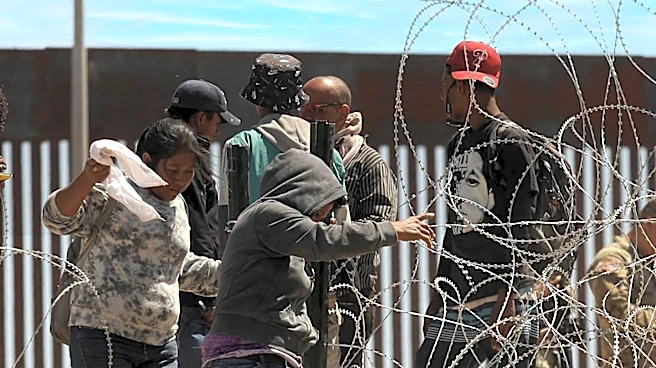
The United States Department of Homeland Security (DHS) has reported a significant decrease in crime rates across the country, attributed to the deportation of criminal illegal aliens. Under President Trump's administration, crime rates have reached historic
lows, with homicides down by 18%, carjackings by 47%, and motor vehicle thefts by 20%. The DHS highlighted the deportation of several individuals with extensive criminal histories, including gang affiliations and convictions for serious offenses such as homicide, robbery, and drug trafficking. The department credits these deportations as a key factor in the reduction of crime, aligning with President Trump's promise to enhance national safety.
Why It's Important?
The reduction in crime rates has significant implications for public safety and the perception of security within the United States. By removing individuals with serious criminal backgrounds, the DHS aims to create a safer environment for citizens. This development may influence public opinion on immigration policies and enforcement strategies, potentially impacting future legislative decisions. The correlation between deportations and crime reduction could also affect political discourse, particularly in debates surrounding immigration reform and national security.
What's Next?
The continued focus on deporting criminal illegal aliens is likely to remain a priority for the DHS under the current administration. This strategy may lead to further decreases in crime rates, reinforcing the administration's stance on strict immigration enforcement. However, it may also provoke responses from civil rights groups and immigration advocates who argue for more humane approaches to immigration policy. The ongoing debate will likely influence future policy decisions and the political landscape regarding immigration in the United States.