







What's Happening?
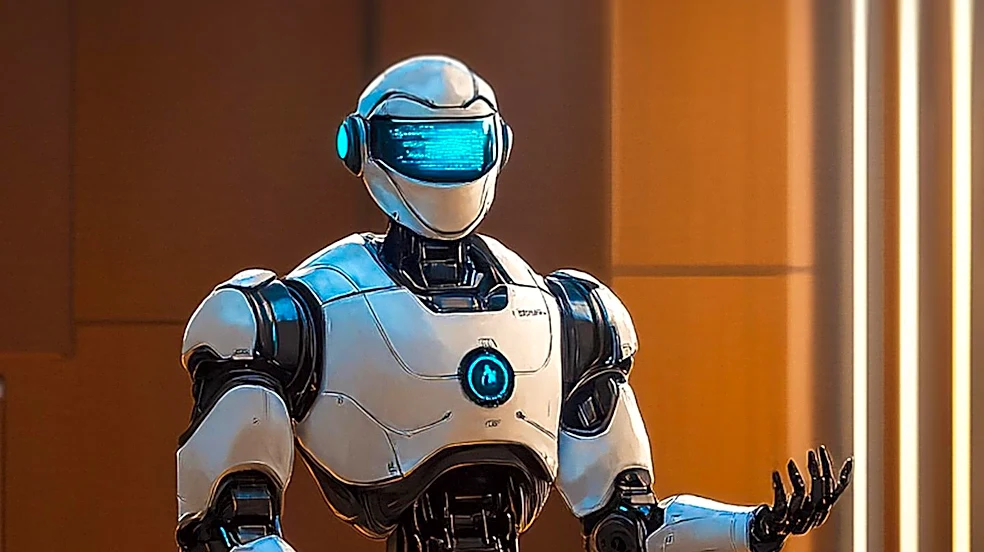
The US Army has announced the five winners of its xTechHumanoid competition, an initiative designed to evaluate the potential utility of humanoid robots in future military operations. The winning entities are ACES Group, IHMC Robotics, Hydroplane Limited,
Ras Labs, and Velocity Explorations. The competition, which received 103 applications, initially selected 10 finalists, each awarded $25,000. Following a practical experiment, these five winners were chosen based on their military utility, technical advantages, and technological maturity. Participants tested robots on tasks relevant to small-unit combat missions, including guarding checkpoints, crossing obstacles, and extinguishing fires. Key assessment criteria included thermal sensors, system autonomy, and battery life. US Army Chief Technology Officer Alex Miller stated that the program aims to identify specific tasks and capabilities where humanoid robots could be most effective, guiding future research and accelerating the adoption of promising robotic technologies for military use.
Why It's Important?
This competition signifies a critical step in the US military's exploration and integration of advanced robotics into its operational framework. By identifying specific applications and technological gaps, the Army can strategically direct research and development efforts, potentially leading to significant advancements in military capabilities. The use of humanoid robots could reduce risks to human soldiers in hazardous environments, enhance logistical support, and provide new tactical advantages. However, the competition also highlighted current limitations, such as the inability of modern robotics to meet demanding requirements like sustained high-speed movement with heavy loads over long durations. Overcoming these challenges is crucial for widespread military adoption. The involvement of diverse companies, from those focusing on basic movement to specialized components like batteries and tactile sensors, indicates a broad industry effort to contribute to defense innovation, fostering a competitive environment that could accelerate technological breakthroughs.
What's Next?
The US Army plans to leverage the results of the xTechHumanoid competition to guide its future research and development in robotics. This will likely involve further investment in the technologies demonstrated by the winners and continued collaboration with private sector innovators to address identified limitations. The military will focus on refining robot capabilities in areas such as autonomy, endurance, and complex task execution. Future iterations of such competitions or direct funding initiatives may target specific performance benchmarks, pushing the boundaries of current robotic technology. The long-term vision includes integrating humanoid robots into various military roles, potentially transforming combat and support operations. This ongoing development will also necessitate the establishment of ethical guidelines and operational protocols for robotic deployment, ensuring responsible and effective use in military contexts.
Beyond the Headlines
The integration of humanoid robots into military operations raises profound ethical and societal questions. While the immediate goal is to enhance military capabilities and reduce human risk, the increasing autonomy and potential for decision-making by robots could lead to complex dilemmas regarding accountability and the nature of warfare. The development of robots capable of performing combat tasks could blur the lines between human and machine responsibility, prompting debates on the moral implications of automated warfare. Furthermore, the dual-use nature of these technologies means advancements in military robotics could also have significant civilian applications, impacting industries from logistics to healthcare. The competition's focus on 'humanoid' forms also suggests a desire for robots that can operate in human-designed environments, potentially leading to more versatile and adaptable robotic systems that could eventually integrate into various aspects of daily life, beyond military applications.