






What's Happening?
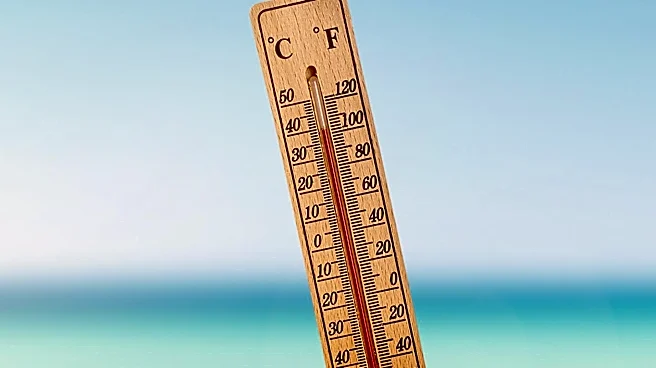
Denver experienced its fourth 100-degree day of 2026, marking a significant milestone as the city enters the top 10 for most 100-degree days in a single year, according to the National Weather Service. This heatwave follows a record-setting July, which
saw 28 days of temperatures reaching 90 degrees or higher. Residents, including families and sports fans, are finding ways to cope with the heat, such as visiting parks and attending outdoor events like Rockies games. Public health officials, however, are concerned about the prolonged exposure to high temperatures, which can lead to heat-related illnesses. Kristin Schuch, a Nurse Practitioner at the Denver Department of Public Health & Environment, emphasized the risks of heat stroke, especially for vulnerable groups like children and the elderly.
Why It's Important?
The ongoing heatwave in Denver highlights the growing challenges posed by extreme weather conditions, which can have significant health implications. Prolonged exposure to high temperatures increases the risk of heat-related illnesses, putting a strain on public health resources. The situation underscores the need for effective public health strategies to mitigate the impact of extreme heat, particularly as climate patterns continue to shift. The economic implications are also notable, as businesses and events must adapt to ensure the safety and comfort of patrons, potentially affecting attendance and revenue.
What's Next?
As the heatwave continues, public health officials are likely to increase efforts to educate the public on heat safety measures. This may include issuing more frequent heat advisories and providing resources for vulnerable populations. The city might also explore long-term strategies to address the impacts of extreme heat, such as enhancing urban infrastructure to provide more shaded areas and cooling centers. Additionally, businesses and event organizers will need to remain vigilant in implementing safety measures to protect attendees from heat-related risks.
Beyond the Headlines
The recurring extreme heat events in Denver may prompt broader discussions about climate resilience and urban planning. As cities face more frequent and intense heatwaves, there could be increased pressure on local governments to invest in sustainable infrastructure and green spaces that can help mitigate the effects of rising temperatures. This situation also raises questions about the long-term health impacts of climate change on urban populations and the need for comprehensive public health policies to address these challenges.