





What's Happening?
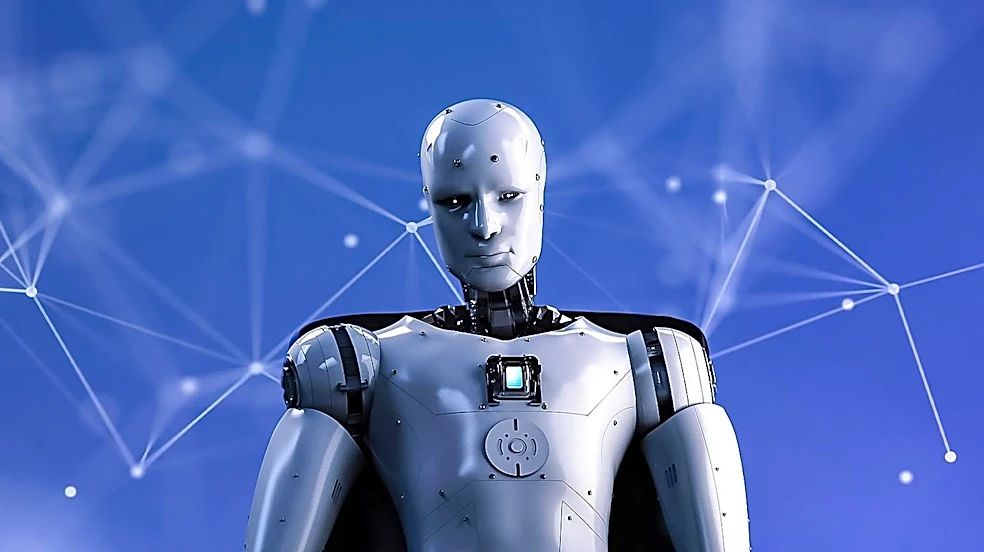
Chinese car manufacturer Chery has introduced its new humanoid robot, Aimoga Mobo, which is designed to act as a personal assistant and companion, particularly for the elderly and children. The toddler-sized robot, standing 90 centimeters tall, is intended
to 'end loneliness' by providing consistent companionship and care. MoBo utilizes AI technology to learn an owner's habits and preferences, tailoring its behavior to individual needs. Demonstrations showcased its ability to remind elderly individuals about medication, recite stories to help them sleep, and act as an educator and companion for children, assisting with language learning and dancing. Chery emphasizes that MoBo is not meant to replace human relationships but rather to offer support and companionship to those who are lonely or vulnerable. The robot was unveiled at the Chery Summit in Wuhu, China, with plans for a global release.
Why It's Important?
The introduction of Chery's Aimoga Mobo robot signifies a significant step in the integration of AI-powered humanoid robots into daily life, particularly addressing social issues like loneliness. This development could have a profound impact on elderly care, offering a non-human companion that provides consistent interaction and assistance, potentially alleviating the burden on human caregivers. For families, MoBo could serve as an educational tool and a constant presence for children, fostering learning and companionship. The emphasis on affordability suggests Chery aims for widespread adoption, which could normalize the presence of robots in homes. This initiative also highlights the diversification of traditional manufacturing companies like Chery into advanced robotics, indicating a broader industry trend towards AI and automation as key growth areas.
What's Next?
Chery plans to expand its robot production beyond personal companions, with future phases including robots for manufacturing work and more complex home assistants capable of cooking, cleaning, and shopping. The company's executives predict that its robotics division could eventually surpass its automotive sector in growth. For MoBo specifically, the next steps involve its global release and market penetration, with Chery aiming to accustom consumers to having robots as part of their families. The success of MoBo will likely influence the development and acceptance of subsequent generations of home robots. As these robots become more integrated into daily life, there will be ongoing discussions about their role in society, ethical considerations, and their impact on human interaction and relationships.
Beyond the Headlines
The concept of a robot designed to 'end loneliness' delves into complex ethical and psychological dimensions. While MoBo offers practical assistance and companionship, its role raises questions about the nature of human connection and whether artificial intelligence can truly fulfill emotional needs. The idea of a robot learning personal preferences and past stories to comfort individuals touches on the boundaries of AI's capacity for empathy and personalized care. Furthermore, the potential for widespread adoption of such robots could reshape family dynamics and societal norms around caregiving and companionship. As companies like Chery push the boundaries of robotics, society will need to grapple with the long-term implications of integrating AI companions into the fabric of human life, balancing the benefits of convenience and support with the preservation of genuine human interaction.