



What's Happening?
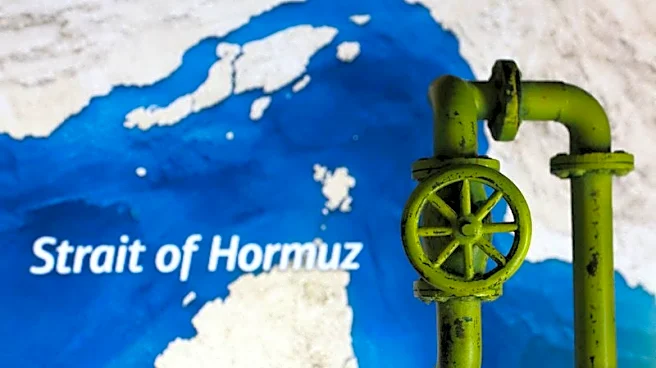
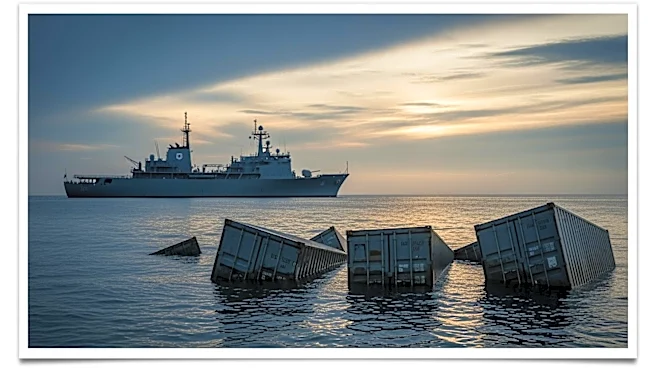
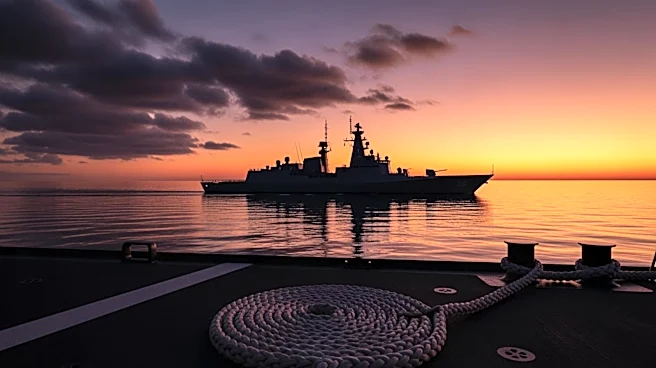
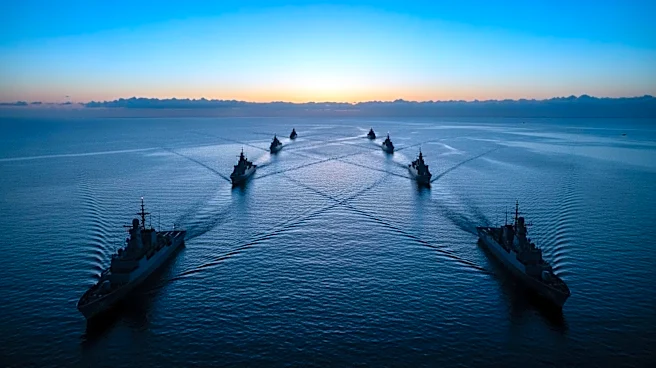
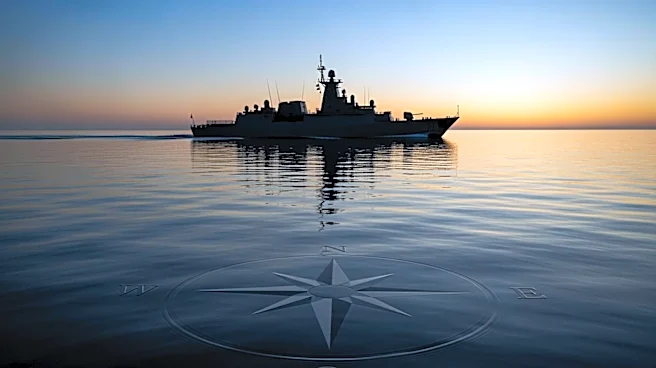
The U.S. Central Command (CENTCOM) has commenced a blockade of the Strait of Hormuz, effective from 1800 hours local time on April 13. This strategic move involves over 15 U.S. Navy warships positioned to enforce the blockade, which applies impartially
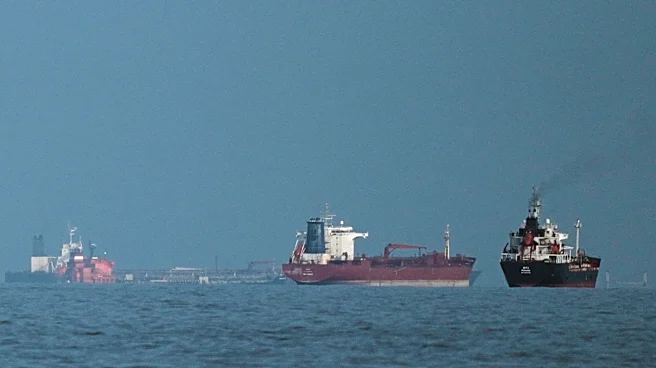
to vessels of all nations entering or departing Iranian ports and coastal areas. The blockade aims to restrict Iranian maritime activities while allowing non-Iranian vessels to navigate safely to and from non-Iranian ports. CENTCOM has issued Notices to Mariners, detailing the routes and procedures to be followed, and advised mariners to maintain communication with U.S. naval forces. The blockade is a response to potential threats from Iranian forces, including drone and missile attacks, although most Iranian naval surface combatants have been disabled. The U.S. plans to interdict or respond to any attacks, with operations conducted deeper into the Gulf of Oman and Arabian Sea to minimize escalation risks.
Why It's Important?
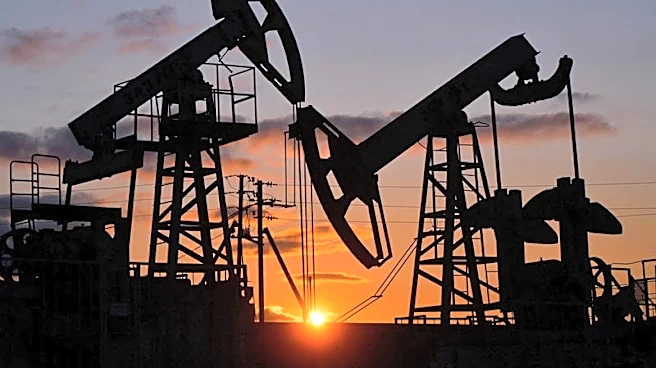
The blockade of the Strait of Hormuz is a significant geopolitical maneuver, as this waterway is a critical chokepoint for global oil shipments. The U.S. action aims to curb Iran's ability to benefit financially from oil exports while maintaining global oil supply by redirecting confiscated oil back into the market. This move could escalate tensions between the U.S. and Iran, potentially impacting global oil prices and regional stability. The blockade also tests the resilience of Gulf Cooperation Council (GCC) countries, which rely heavily on the Strait for economic activities. The U.S. strategy reflects a broader effort to counter Iranian influence in the region, with potential implications for international trade and diplomatic relations.
What's Next?
Following the blockade, a mine clearance operation in the Strait is expected to be rolled out, although not immediately. The Iranian response is anticipated to involve retaliatory attacks on infrastructure targets in Gulf countries, as they lack sufficient long-range capabilities to counter the blockade directly. GCC countries are preparing for such attacks, which they view as a necessary cost for reopening the vital waterway. The situation may lead to increased military and diplomatic engagements in the region, with potential for further escalation if Iranian aggression intensifies. The international community will be closely monitoring the developments, as any significant conflict could have widespread economic and security repercussions.