




What's Happening?
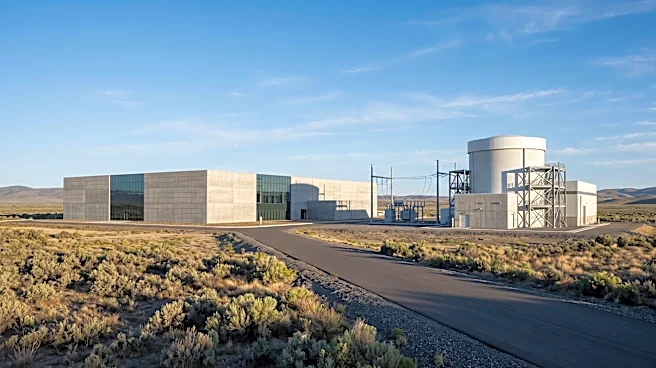
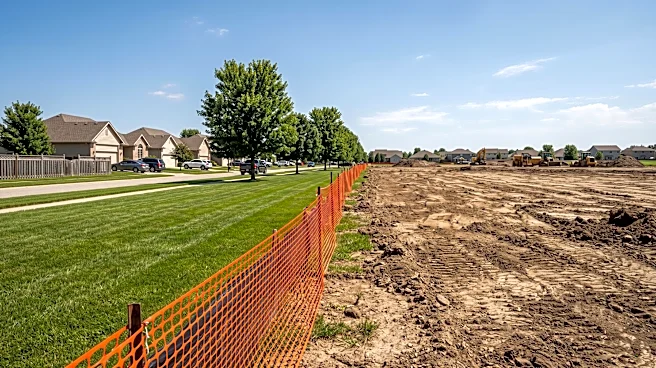
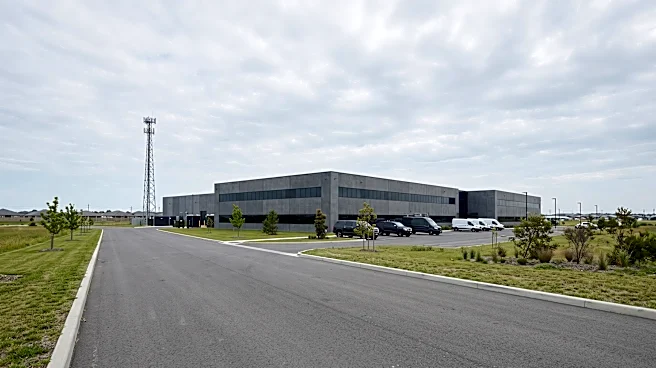
Residents in Kenilworth, New Jersey, are actively protesting the construction of a $1.8 billion artificial intelligence (AI) data center by cloud computing company CoreWeave. The community's concerns primarily revolve around the potential environmental
and social impacts of the massive facility. Key issues raised by residents include increased electricity and water usage, potential pollution, and noise. This local opposition highlights a growing national trend where communities are pushing back against the rapid expansion of AI infrastructure. While local business leaders suggest that these concerns are exaggerated and that New Jersey's stringent permitting processes will address any issues, residents feel their voices are not being adequately heard as the AI industry continues its rapid buildout.
Why It's Important?
This protest in Kenilworth, NJ, is significant as it underscores the increasing tension between technological advancement and local community concerns across the U.S. The rapid growth of the AI industry necessitates substantial infrastructure, such as large data centers, which can place considerable strain on local resources like power grids and water supplies. The opposition reflects a broader societal debate about the environmental footprint of AI and the balance between economic development and community well-being. For companies like CoreWeave, such local resistance can lead to project delays, increased costs, and reputational damage, potentially impacting their ability to scale operations and meet the growing demand for AI compute resources. It also signals a need for greater transparency and community engagement from tech companies when planning large-scale infrastructure projects.
What's Next?
The immediate next steps will likely involve continued dialogue and potential negotiations between CoreWeave, local government officials, and the protesting residents in Kenilworth. The company may need to address the community's specific concerns regarding environmental impact, resource consumption, and noise mitigation to gain local acceptance. New Jersey's permitting process will also play a crucial role in determining the project's future, potentially requiring CoreWeave to implement additional measures to comply with environmental regulations. This situation could also set a precedent for how similar AI data center projects are approached in other U.S. communities, potentially leading to more rigorous local reviews and increased public scrutiny of AI infrastructure development.
Beyond the Headlines
Beyond the immediate conflict, this situation highlights the ethical and social dimensions of the AI revolution. As AI becomes more integrated into daily life, the physical infrastructure supporting it—often unseen by the general public—is becoming a point of contention. The Kenilworth protest brings to light questions about equitable resource distribution, the environmental responsibility of tech giants, and the democratic process in an era of rapid technological change. It also points to a potential long-term shift where communities demand a greater say in the development of infrastructure that impacts their quality of life, even if it serves a broader technological advancement. This could lead to new regulatory frameworks or community benefit agreements for future data center projects.