






What's Happening?
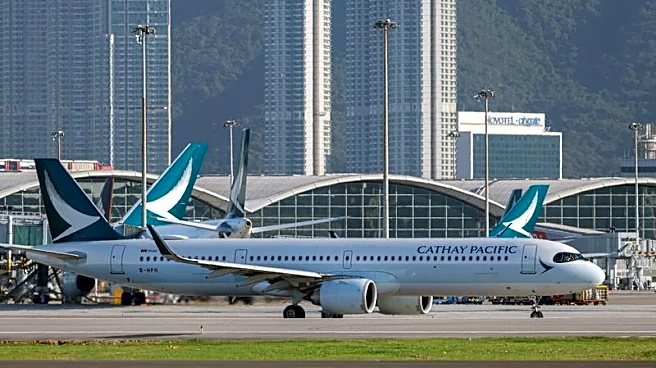
Cathay Pacific Airways has announced a reduction in its flight schedule from mid-May to the end of June, citing increased jet fuel prices as a result of the ongoing conflict in the Middle East. The airline plans to cancel approximately 2% of its scheduled
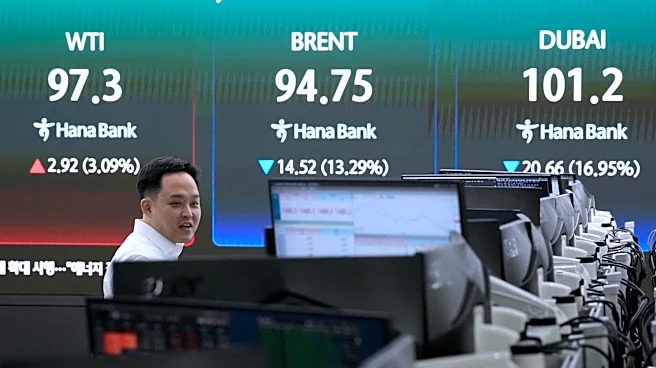
passenger flights during this period, while its budget subsidiary, HK Express, will cut about 6% of its flights starting May 11. Additionally, Cathay Pacific will continue to suspend passenger services to Dubai and Riyadh until June 30. Despite these cuts, the airline's CEO, Ronald Lam, has indicated plans to expand passenger capacity by 10% this year, driven by strong demand for long-haul flights to North America, Europe, and Australia. The recent ceasefire between the U.S. and Iran is not expected to immediately alleviate the high costs and tight supply of jet fuel.
Why It's Important?
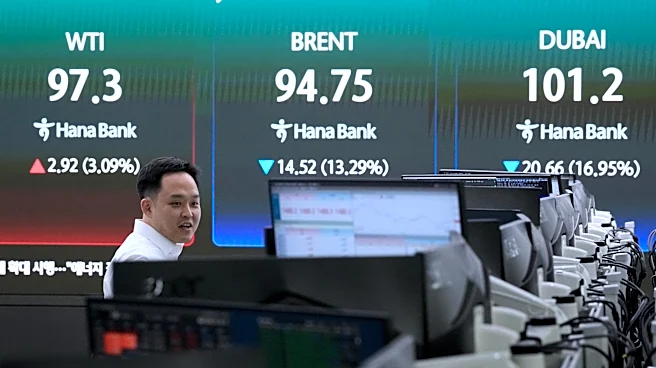
The decision by Cathay Pacific to reduce flights highlights the broader impact of geopolitical tensions on the global aviation industry. The surge in jet fuel prices affects airlines' operational costs, potentially leading to higher ticket prices for consumers. This situation underscores the vulnerability of the aviation sector to international conflicts, particularly those affecting major oil-producing regions. The continued suspension of flights to key destinations like Dubai and Riyadh also reflects the ongoing challenges in maintaining international connectivity amid geopolitical instability. Airlines and passengers alike may face prolonged disruptions and increased costs, influencing travel patterns and economic activities linked to air transportation.
What's Next?
Cathay Pacific and HK Express plan to resume their full flight schedules beyond June, assuming no further escalation in the Middle East conflict. However, the aviation industry may continue to grapple with high fuel costs and supply constraints. Airlines might explore alternative strategies to mitigate these challenges, such as optimizing flight routes, investing in more fuel-efficient aircraft, or adjusting pricing strategies. The industry will closely monitor geopolitical developments and fuel market trends, as these factors will significantly influence operational decisions and financial performance in the coming months.