


What's Happening?
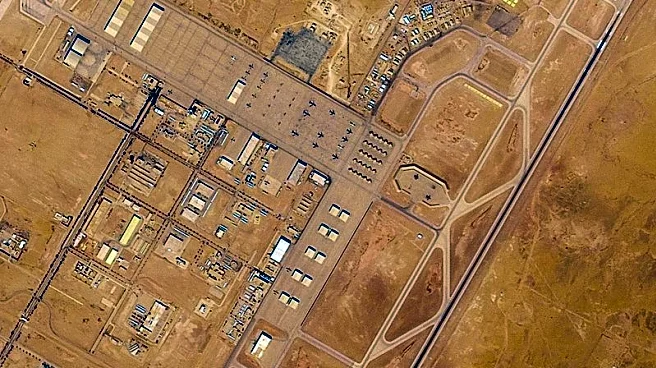
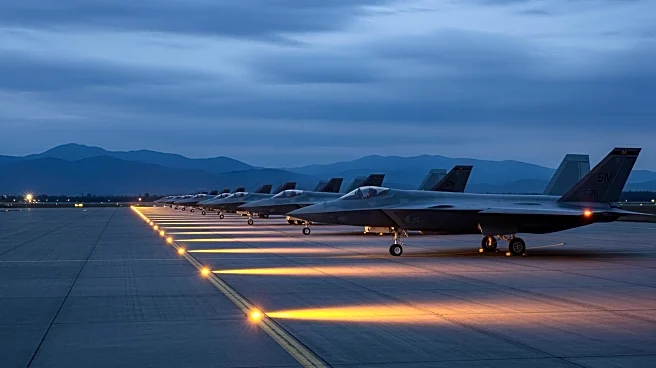
Recent satellite images from the Chinese company MizarVision reveal that the United States has been deploying additional military aircraft to the Ovda Air Base in southern Israel. The images show 11 F-22 fighter jets, with four positioned on the runway,
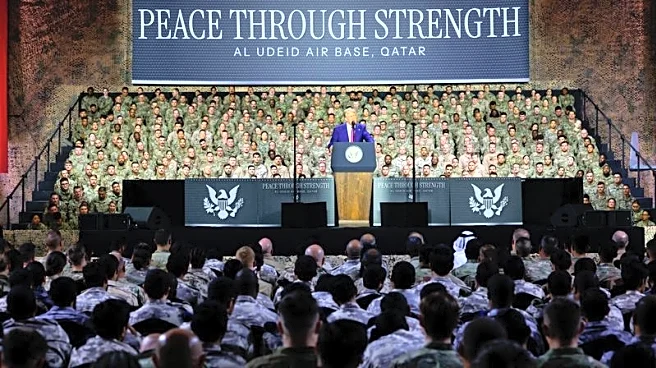
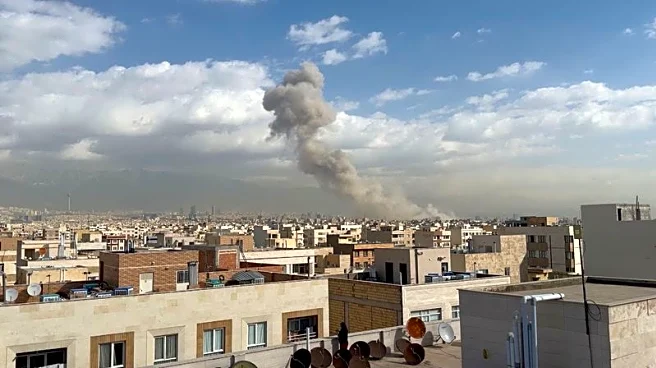
and a C-17 transport aircraft delivering equipment. This movement is part of a broader U.S. military buildup in the region, as tensions with Iran continue to rise. Additional images from other strategic locations, such as Al Udeid Air Base in Qatar and Chania Airport in Crete, show various U.S. military assets, including refueling aircraft, reconnaissance planes, and fighter jets. The buildup comes amid ongoing negotiations with Iran, suggesting a potential military strike could be imminent.
Why It's Important?
The increased U.S. military presence in the Middle East, particularly in Israel, underscores the heightened tensions between the United States and Iran. This strategic positioning of aircraft and equipment could serve as a deterrent or a preparatory measure for potential military action. The deployment of advanced fighter jets like the F-22 highlights the seriousness of the situation. For the U.S., maintaining a strong military presence in the region is crucial for safeguarding its interests and those of its allies. The developments could impact global oil markets, regional stability, and international diplomatic relations, particularly if a military conflict were to arise.
What's Next?
As the situation develops, the international community will be closely monitoring the U.S. military's movements and any potential responses from Iran. Diplomatic efforts may intensify to prevent escalation into open conflict. The U.S. may continue to bolster its military presence in the region, while allies and adversaries alike assess their positions. The outcome of ongoing negotiations with Iran will be pivotal in determining the next steps, with potential implications for regional security and international relations.
Beyond the Headlines
The use of satellite imagery by companies like MizarVision highlights the growing role of commercial satellite technology in global intelligence and surveillance. This capability allows for real-time monitoring of military movements, providing transparency but also raising concerns about privacy and security. The situation also reflects the complex geopolitical dynamics in the Middle East, where military, economic, and diplomatic interests intersect. The U.S.'s actions may influence other regional players, potentially reshaping alliances and power structures.