





What's Happening?
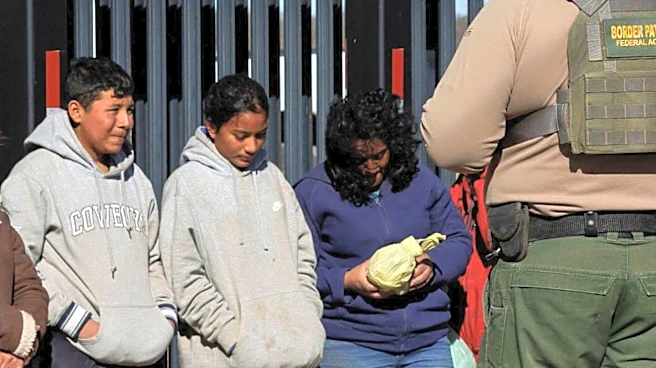
U.S. Customs and Border Protection (CBP) is actively testing and implementing advanced biometric technologies at land border crossings, including walk-through facial recognition systems from NEC, Paravision, and AiFi in Texas. This initiative aims to close
existing gaps in America’s biometric Entry-Exit System, particularly for pedestrian crossings, with Congress allocating significant funding for its production. CBP has already screened over a billion travelers using face biometrics since the system's inception post-9/11. The Department of Homeland Security's (DHS) Remote Identity Validation Rally (RIVR-2) is also expanding to include international passports for mobile pre-registration, further streamlining identity checks. However, these advancements are accompanied by ongoing concerns regarding surveillance and potential overreach, with calls from organizations like the IBIA for enforceable limitations on profiling and clear restrictions on traveler profiling by the House Intelligence Committee.
Why It's Important?
The expansion of biometric technology at U.S. borders represents a significant shift in national security and immigration policy. The move towards walk-through facial recognition and mobile pre-registration promises increased efficiency and security, potentially reducing wait times and enhancing the ability to identify individuals of concern. This could have a profound impact on travel and trade, facilitating smoother cross-border movements for legitimate travelers while bolstering efforts to prevent illegal activities. However, the rapid deployment of these technologies raises critical questions about privacy, civil liberties, and the potential for misuse of biometric data. The debate between enhanced security and individual rights is central, with stakeholders advocating for robust oversight and clear guidelines to prevent the creation of surveillance systems that could infringe upon the freedoms of citizens and visitors alike. The outcome of these policy discussions will shape the future of border management and the balance between security and privacy in the digital age.
What's Next?
The U.S. will likely continue to expand the deployment of biometric technologies at its borders, driven by congressional funding and the ongoing pursuit of enhanced security and efficiency. Future developments may include further integration of mobile pre-registration systems and the refinement of facial recognition algorithms to improve accuracy and reduce false positives. Concurrently, legislative bodies and civil society groups will continue to push for stronger regulations and oversight to address privacy concerns and prevent potential abuses of biometric data. This could lead to new policies defining data retention, sharing, and access protocols for biometric information collected at borders. The ongoing dialogue between technology developers, government agencies, and privacy advocates will be crucial in shaping the ethical and legal framework for these evolving border security measures, influencing how biometric data is collected, used, and protected in the coming years.
Beyond the Headlines
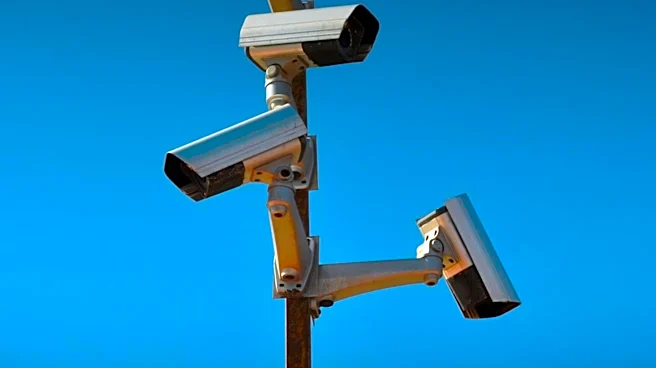
The increasing reliance on biometrics at U.S. borders extends beyond mere technological upgrades; it signifies a fundamental redefinition of identity verification and border control in a hyper-connected world. This shift has profound ethical implications, particularly concerning the potential for algorithmic bias and the creation of comprehensive digital profiles that could be used for purposes beyond border security. The debate over 'better gates or none at all' highlights a tension between the desire for seamless, secure travel and the risk of creating a surveillance state. The long-term societal impact could include a normalization of biometric data collection in various aspects of life, potentially eroding traditional notions of privacy. Furthermore, the interoperability of these systems with international partners and the global implications for data sovereignty and human rights will become increasingly important considerations as digital borders become more sophisticated and interconnected.