




What's Happening?
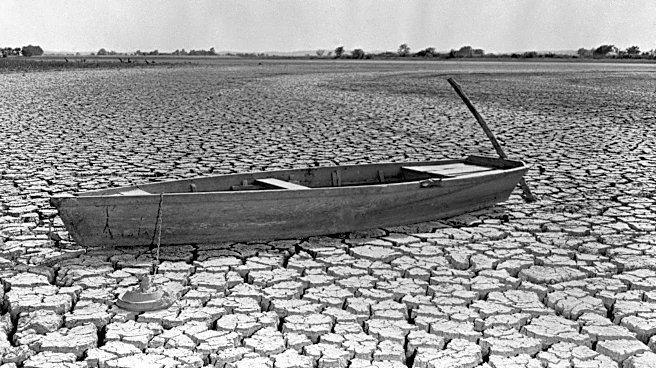
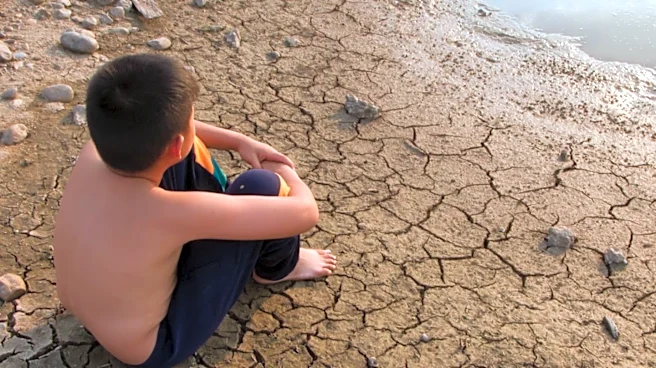
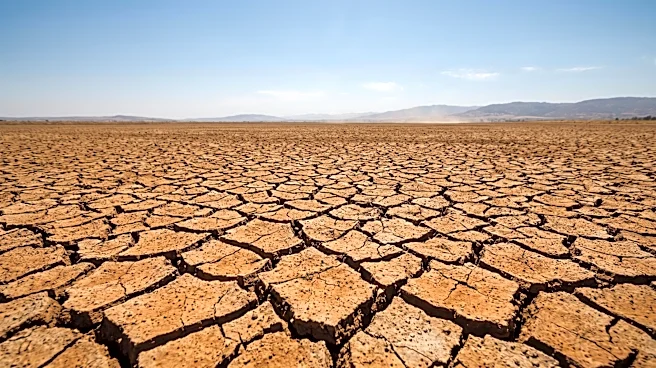
A recent study published in *Agriculture and Food Security* by researchers Yudi Ferrianta and Nuri Dewi Yanti reveals that drought intensity and national food import dependency are the primary factors contributing to agricultural food security vulnerability
in 23 Asia-Pacific countries. The research, conducted between 2000 and 2023, utilized a hybrid analytical approach combining ensemble machine learning and dynamic panel econometrics. It found that when a nation's food import dependency exceeds 40 percent, the impact of drought on vulnerability increases by approximately 40 percent. Drought intensity, measured by the twelve-month Standardized Precipitation-Evapotranspiration Index, was identified as the most influential determinant. The study also developed a dynamic Food Security Vulnerability Index and an early warning framework, though the latter remains conceptual and requires further development for practical implementation. The findings highlight that lower-middle-income countries in the region face significantly higher vulnerability scores compared to high-income nations, often due to chronic domestic production shortfalls and heavy reliance on external food markets.
Why It's Important?
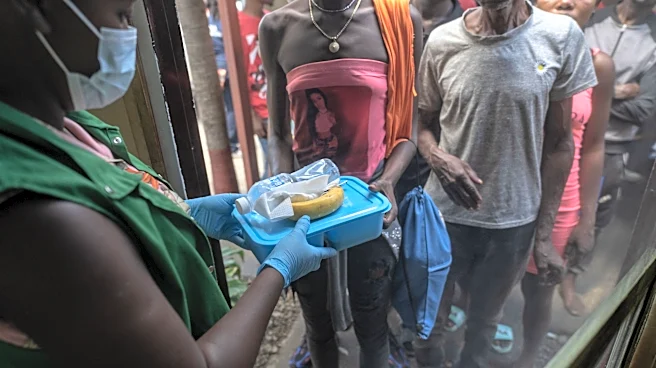
This research is crucial for understanding and addressing food security challenges in the Asia-Pacific region, which accounts for half of the global undernourished population. The identification of drought intensity and food import dependency as key drivers provides actionable insights for policymakers. Nations with high food import dependency are shown to be disproportionately affected by drought, underscoring the need for strategies to enhance domestic food production and diversify import sources. The study's forward-looking framework aims to move beyond retrospective assessments, offering a tool to quantify how macroeconomic factors, climate stresses, and policy interventions interact. This can help governments and international organizations develop more effective and targeted interventions to build resilience in food systems, particularly in vulnerable lower-middle-income countries that experience chronic food insecurity and are more susceptible to climate shocks and economic volatility.
What's Next?
The study's operational early warning architecture, while conceptual, points towards future developments in anticipatory governance for food security. For practical implementation, standardized data protocols, regular retraining schedules for models, and institutional mechanisms are required. Policymakers in the Asia-Pacific region can utilize these findings to prioritize investments in climate adaptation and agricultural resilience, especially in countries with high food import dependency. Future research could focus on refining the early warning system and exploring specific policy interventions that effectively mitigate the amplified impact of drought in trade-dependent nations. Additionally, the study's methodology could be applied to other regions to identify similar drivers of food insecurity and develop tailored solutions.
Beyond the Headlines
The research implicitly highlights the interconnectedness of climate change, economic policy, and social well-being. The amplified vulnerability in countries with high food import dependency suggests a deeper systemic issue where global trade dynamics intersect with local environmental challenges. This raises questions about the ethical responsibilities of larger economies in supporting food-insecure nations and the need for international cooperation in building resilient global food systems. The study also touches upon the diminishing returns of public agricultural expenditure, suggesting that the efficiency and targeting of investments are as crucial as the volume of spending. This implies a shift from broad fiscal expansion to more strategic, evidence-based agricultural policies that address specific vulnerabilities and promote sustainable practices, ultimately contributing to long-term food security and regional stability.