


What's Happening?
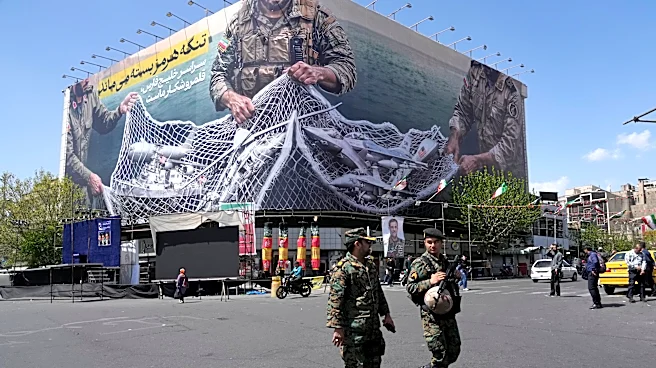
Iran faces challenges in reopening the Strait of Hormuz due to difficulties in locating naval mines it laid during recent conflicts. The strait remains a critical point of leverage for Iran, affecting global oil markets and negotiations with the United
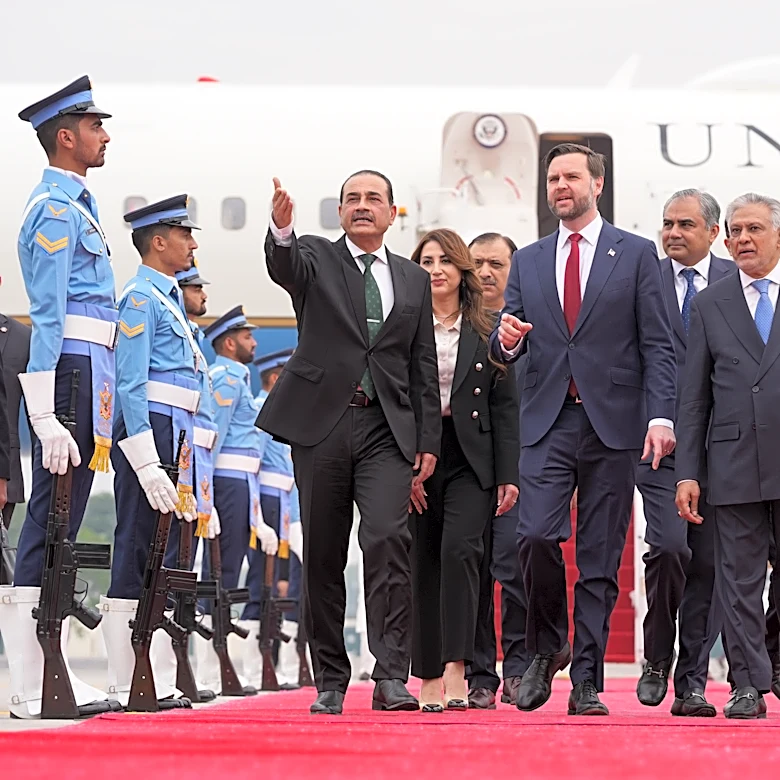
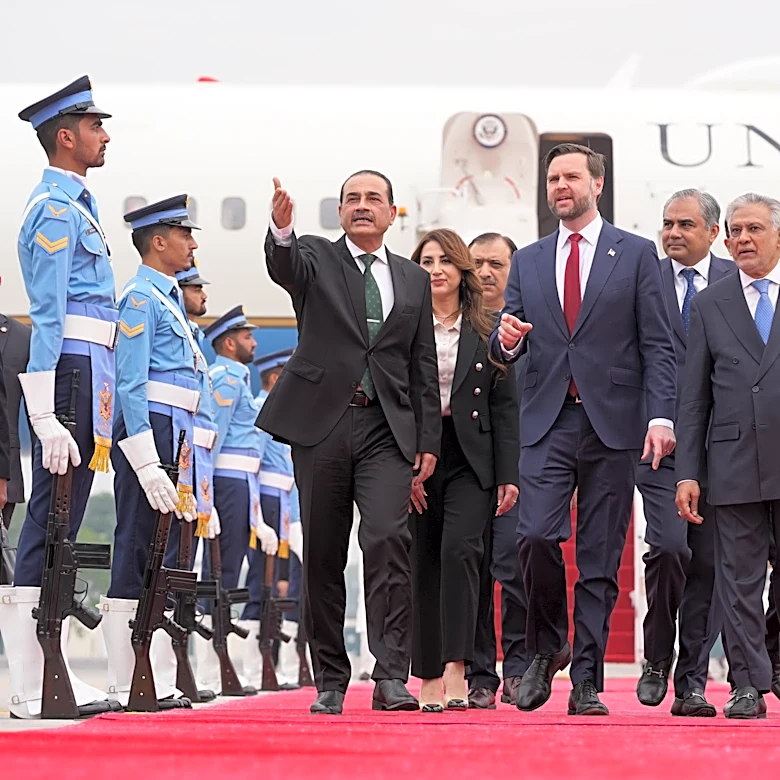
States. Ship traffic through the strait has significantly decreased, with Iran maintaining control over passage. The issue is expected to be a key topic in upcoming talks between U.S. and Iranian officials in Islamabad.
Why It's Important?
The Strait of Hormuz is a vital oil shipping route, and Iran's control over it has significant implications for global energy markets. The inability to locate and clear mines complicates efforts to restore free passage, potentially leading to increased oil prices and economic instability. The situation highlights the importance of securing strategic waterways for global trade and energy security. Iran's leverage over the strait enhances its negotiating power, influencing U.S. foreign policy and regional dynamics.
What's Next?
Negotiations between the U.S. and Iran are set to address the reopening of the Strait of Hormuz, with the mine issue as a central point of discussion. The talks could impact future U.S.-Iran relations and regional stability. The U.S. may seek to negotiate terms that ensure free passage, while Iran could use the strait as a bargaining chip to gain concessions. The outcome of the talks could influence global energy markets and geopolitical dynamics.