

What's Happening?
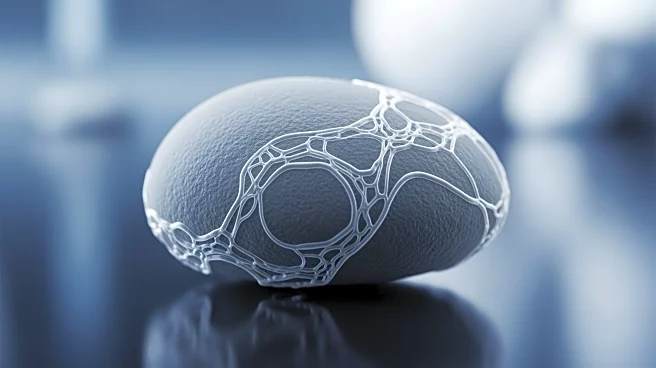
Researchers have discovered bacterial biofilms within the most common type of kidney stones, calcium oxalate stones, challenging the traditional understanding of their formation. This finding, published in the Proceedings of the National Academy of Sciences,
suggests that bacteria may play a role in the development of these stones, which were previously thought to form solely through chemical and physical processes. The presence of bacteria within the stones could provide a new therapeutic target for preventing and treating kidney stones, a condition affecting millions worldwide.
Why It's Important?
The discovery of bacterial involvement in kidney stone formation could revolutionize the approach to treatment and prevention. Understanding the microbial component of stone formation opens the possibility of developing therapies that target these bacteria, potentially reducing the incidence and recurrence of kidney stones. This finding also highlights the complex interplay between microbial communities and human health, suggesting that other conditions traditionally viewed as non-infectious may have microbial components. The research could lead to more effective management strategies for kidney stones, improving patient outcomes and reducing healthcare costs associated with this painful condition.
What's Next?
Further research is needed to explore the specific role of bacteria in kidney stone formation and to identify which bacterial species are involved. Scientists aim to understand how these bacteria contribute to stone nucleation and growth, which could lead to the development of targeted antimicrobial therapies. Additionally, studies will investigate whether similar bacterial involvement exists in other types of kidney stones. The findings may also prompt a reevaluation of the relationship between urinary tract infections and kidney stone formation, potentially leading to integrated treatment approaches for these conditions.