
What's Happening?
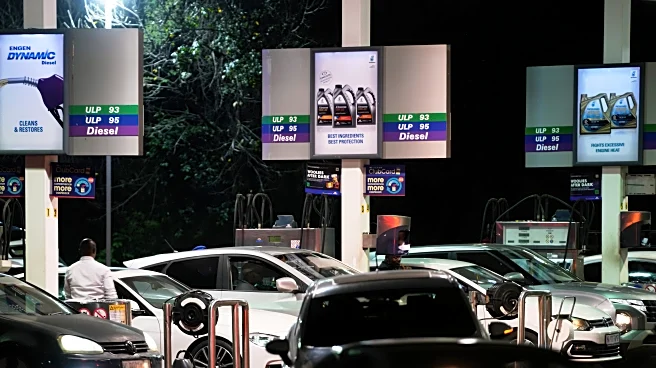
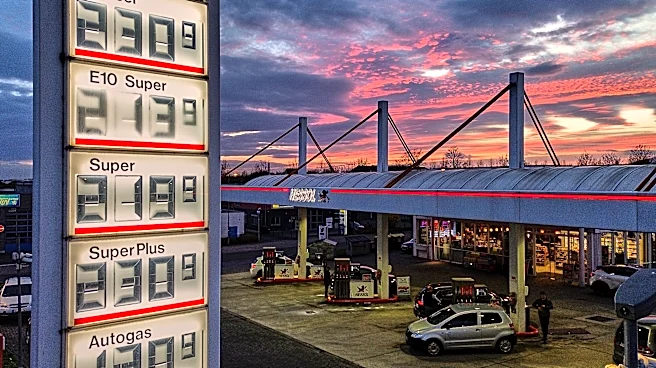
The Philippines is grappling with significant economic and environmental challenges exacerbated by the ongoing Middle East crisis. The conflict has led to rising oil prices, which have reached $119 per
barrel, prompting discussions on implementing price controls on fuel and food. Senator Bam Aquino has proposed a bill to classify gasoline and diesel as basic necessities, allowing the government to freeze their prices during emergencies. Concurrently, President Ferdinand Marcos Jr. announced a price cap on imported milled rice to counteract 'unreasonable' price hikes. These measures aim to protect consumers but may lead to unintended consequences such as supply shortages and market distortions.
Why It's Important?
The proposed price controls on fuel and rice are critical as they directly impact the cost of living for Filipinos. While intended to alleviate financial strain, such controls could lead to supply shortages and exacerbate economic instability. The Philippines, being a major rice importer, is particularly vulnerable to global supply shocks. The government's approach to managing these crises will significantly affect the country's economic resilience and social stability. Effective policy measures are crucial to prevent further economic disruption and ensure the availability of essential goods.
What's Next?
The Philippines must navigate these challenges by balancing immediate consumer protection with long-term economic stability. Policymakers may need to consider alternative strategies, such as targeted subsidies and structural reforms, to address the root causes of price volatility. The government's ability to enforce existing laws against profiteering and hoarding will be pivotal in managing the situation. Additionally, the ongoing impact of climate change, including severe heat waves, requires comprehensive environmental policies to mitigate future risks.