



What's Happening?
The Trump administration has authorized the deployment of 350 National Guard troops to New Orleans, set to begin before the New Year. This move is part of a federal effort to support local law enforcement in reducing crime in the city. Pentagon spokesman
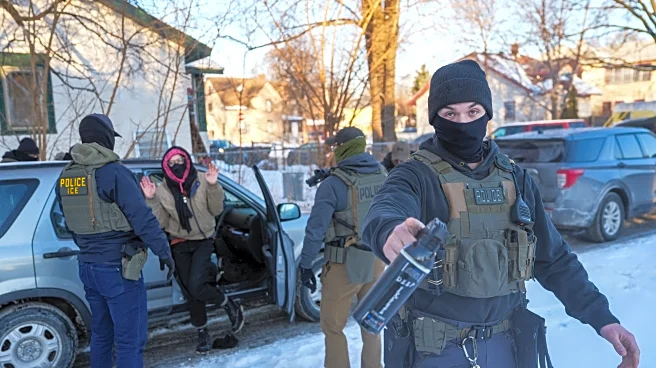
Sean Parnell stated that the troops will assist federal law enforcement agencies, including the Department of Justice and the Department of Homeland Security, and will remain in place through February. Louisiana Governor Jeff Landry praised the decision, citing it as a measure to curb violence in New Orleans and other parts of the state. However, critics argue that the deployment is unnecessary, pointing out that violent crime rates in New Orleans have been declining. The deployment coincides with an ongoing immigration crackdown by Border Patrol agents in the city.
Why It's Important?
The deployment of National Guard troops to New Orleans highlights ongoing concerns about crime and public safety in major U.S. cities. While the move is intended to bolster law enforcement efforts, it has sparked debate over the necessity and potential impact on community relations. Supporters argue that the presence of the National Guard will enhance security and deter criminal activity, while opponents fear it may instill fear among residents and disrupt community trust. The decision also reflects broader national trends of increased federal involvement in local law enforcement, particularly in cities with perceived high crime rates. This development could influence public opinion and policy decisions regarding federal and state collaboration in addressing urban crime.
What's Next?
The National Guard deployment is expected to last through February, during which time its effectiveness in reducing crime will be closely monitored. Local and federal authorities will assess the impact of the deployment on crime rates and community relations. Additionally, the ongoing immigration crackdown in New Orleans will continue, with Border Patrol agents aiming to make 5,000 arrests. The outcome of these operations may influence future decisions on federal involvement in local law enforcement and immigration enforcement strategies. Community leaders and civil rights organizations are likely to respond to these developments, potentially advocating for alternative approaches to public safety and immigration policy.