






What's Happening?
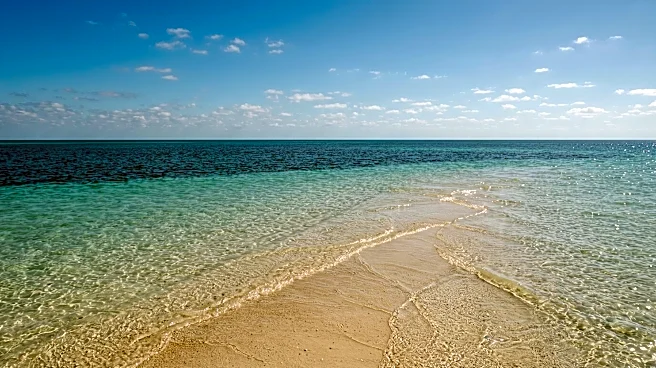
David "Dave" Daniel, a 43-year-old Florida man, survived a shark bite to his foot while walking in shallow water near a sandbar off Boca Grande Key, approximately 14 miles west of Key West. Daniel reported that a six to seven-foot nurse shark bit the
top of his foot and then released him. The bite resulted in severe bleeding, described in a 911 dispatch as an arterial bleed. Fortunately, two registered nurses, Christopher Green and Courtney McMurray, were nearby and immediately provided aid. They worked to control the bleeding and elevate Daniel's leg, using a belt as a makeshift tourniquet. The U.S. Coast Guard was contacted and escorted the boat carrying Daniel to a pier where Monroe County Fire Rescue was waiting. Daniel was then airlifted to Jackson South Medical Center in Southwest Miami-Dade for surgery.
Why It's Important?
This incident highlights the critical role of immediate medical intervention in life-threatening situations, particularly in remote or recreational settings. The presence of trained medical professionals, even off-duty, proved instrumental in saving Daniel's life, underscoring the value of widespread first-aid knowledge. For coastal communities, such events can raise awareness about potential dangers in seemingly safe shallow waters and prompt discussions on emergency response protocols for beach and sandbar visitors. The fact that Daniel was bitten by what he believes was a nurse shark, a species generally considered docile, serves as a reminder that all marine wildlife should be approached with caution, regardless of their typical behavior. The incident also brings attention to the financial burden of such emergencies, as Daniel, an exterminator, faces a long recovery without health insurance.
What's Next?
Daniel is expected to undergo a lengthy recovery period, potentially unable to walk for six to eight weeks and requiring extensive physical therapy. A fundraiser has been initiated by a friend to help cover his medical expenses and lost income, as he is uninsured. This situation may prompt discussions about the accessibility and affordability of health insurance for individuals in various professions. Local authorities might review safety guidelines for visitors to sandbars and shallow waters, potentially increasing signage or public awareness campaigns regarding marine life. The U.S. Coast Guard and local emergency services will likely continue to refine their coordination for rapid response to similar incidents in remote coastal areas.
Beyond the Headlines
The survival story of David Daniel, aided by the serendipitous presence of two nurses, underscores the profound impact of human compassion and preparedness in moments of crisis. It also subtly touches upon the broader issue of healthcare access in the U.S., as Daniel's lack of health insurance adds a significant layer of challenge to his recovery. The incident could serve as a case study for public health and safety organizations to promote basic life-saving skills among the general public, particularly in areas frequented by tourists and recreational enthusiasts. Furthermore, it contributes to the ongoing dialogue about human interaction with marine ecosystems, reminding individuals that even in seemingly benign environments, respect for wildlife and awareness of potential risks are paramount.