






What's Happening?
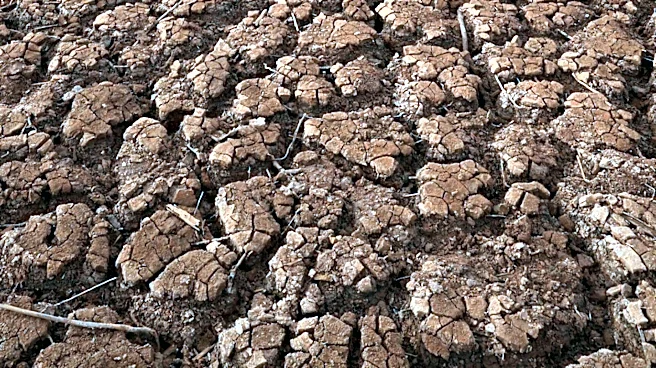
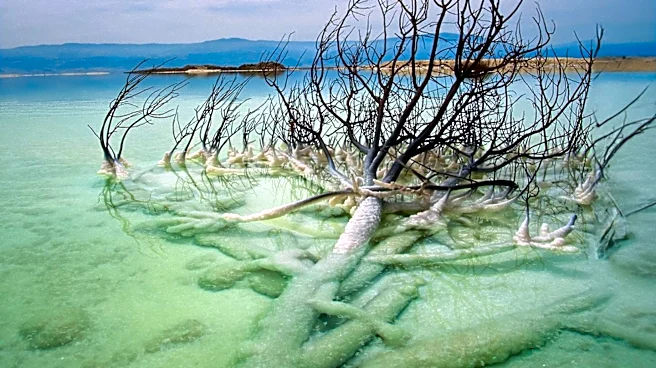
The Salton Sea in Southern California, once a popular vacation destination, is now a source of environmental and health concerns as it shrinks and exposes toxic sediments. The lake's retreat releases harmful dust particles that pose respiratory and cardiovascular
risks to nearby communities, primarily affecting low-income, racial, and ethnic minorities. A recent study highlights the poor living conditions and health challenges faced by these communities, who must adapt their daily routines to avoid exposure to toxic dust. The situation underscores the need for effective mitigation measures and public health interventions.
Why It's Important?
The environmental degradation of the Salton Sea has significant implications for public health and social equity. The affected communities, often lacking resources and political voice, face increased health risks and reduced quality of life. Addressing this crisis requires coordinated efforts to implement effective mitigation strategies, improve air quality, and provide support to vulnerable populations. The situation at the Salton Sea also serves as a warning for other regions facing similar environmental challenges, highlighting the need for proactive measures to protect public health and the environment.
What's Next?
Efforts to address the Salton Sea crisis include community engagement and the development of a 10-year plan to mitigate the lake's effects. However, progress has been slow, and more immediate actions are needed to protect residents' health. Policymakers and stakeholders must prioritize human health in their restoration efforts and explore sustainable solutions to prevent further environmental damage. The potential for lithium mining in the region adds complexity to the situation, requiring careful consideration of its environmental and social impacts.