


What's Happening?
Whitewater kayakers on Vancouver Island are experiencing one of the worst October seasons on record due to a significant lack of rain. October typically marks the beginning of the whitewater kayaking season, with rivers swelling from autumn rains to create
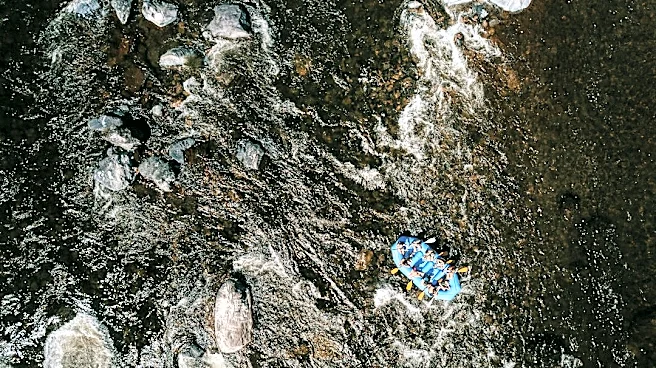
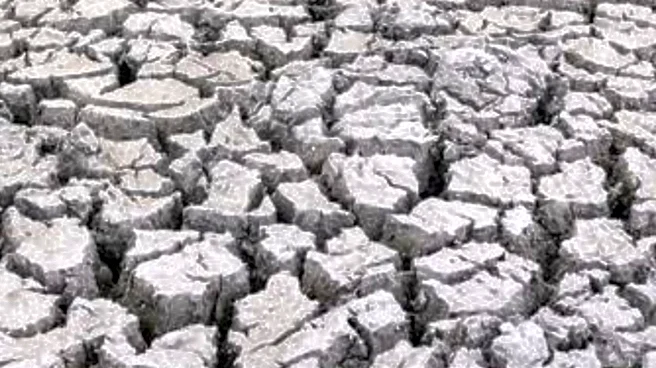
ideal conditions. However, this year, river gauges across the Island show water levels are below a fifth of their regular October levels, marking the lowest since 2022, which previously held the record for the driest October. Kelsey Lessard, a Victoria-based kayaker and board member of the South Island Whitewater Club, described the low water as frustrating, making kayaking feel more like 'bumper cars.' Dave Prothero, an expedition rafting guide with decades of experience, stated he has never witnessed such a prolonged dry October. The South Island Whitewater Club has resorted to hosting pool sessions for its members, as most rivers are currently unnavigable for whitewater activities.
Why It's Important?
The severe drought conditions impacting Vancouver Island's whitewater kayaking season highlight broader concerns about climate patterns and their effects on recreational activities and local economies. The kayaking community, which relies on these activities for social connection and mental well-being, is directly affected by the inability to access rivers. This situation also points to potential economic impacts on local businesses that cater to kayakers, such as gear rentals, guiding services, and hospitality. The mention of Stage 3 water restrictions in areas like the Puntledge River underscores the wider environmental stress and resource management challenges faced by the region. The shift from consistent rainfall to more intense, sporadic 'atmospheric rivers' could necessitate long-term adaptations for water-dependent industries and recreational pursuits.
What's Next?
While recent rains have started to pick up on Vancouver Island, Environment Canada predicts a relatively normal amount of precipitation for the upcoming winter. However, the long-term outlook for whitewater kayaking remains uncertain. An incoming 'super El Niño,' which some scientists link to a warming climate, is expected to bring a mild winter to the coast. This could result in a higher snowline on the mountains, jeopardizing the spring kayaking season, which depends on melting winter snow. Kayakers like Kelsey Lessard are cautiously optimistic but acknowledge the unpredictable nature of current weather patterns. The community may need to continue adapting to more variable river conditions, potentially relying more on alternative activities or adjusting their season expectations.
Beyond the Headlines
The challenges faced by Vancouver Island's whitewater kayakers extend beyond immediate recreational disruptions, touching upon the broader implications of climate change on natural ecosystems and human activities. The observed shift in rainfall patterns, from steady winter rains to more intense, short-lived 'atmospheric rivers,' suggests a fundamental change in regional hydrology. This could lead to more frequent and severe flood-and-drought cycles, impacting not only recreational water sports but also municipal water supplies, agriculture, and aquatic ecosystems. The reliance on pool sessions by the South Island Whitewater Club illustrates a community's adaptive response to environmental changes, but it also underscores the potential loss of unique outdoor experiences. This situation serves as a micro-example of how global climate shifts manifest locally, forcing communities to re-evaluate their relationship with natural resources and traditional seasonal activities.