




What's Happening?
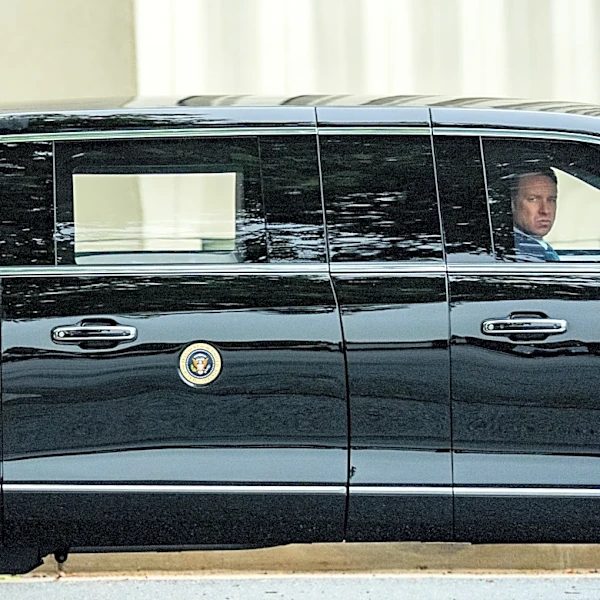
President Donald Trump has clarified his involvement in the creation of a $1.7 billion 'anti-weaponization' fund, stating he allowed it to proceed despite not being directly involved in its creation. The fund, intended to address claims of government
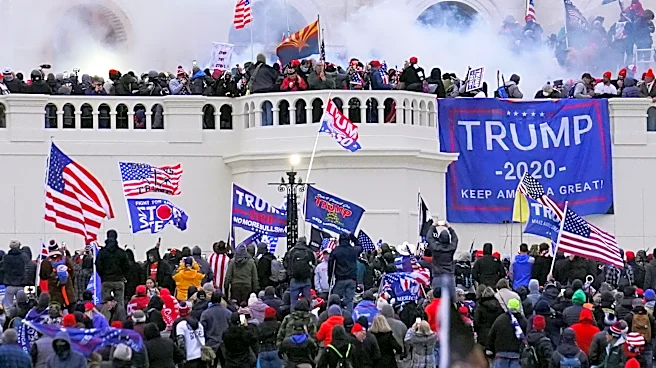
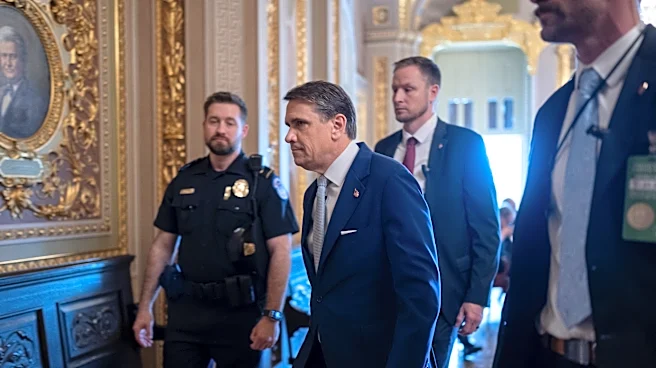
weaponization, has faced scrutiny over its potential beneficiaries, including individuals pardoned by Trump for their roles in the January 6 Capitol attack. The Justice Department, under Acting Attorney General Todd Blanche, is under pressure to provide more details about the fund's operation. Trump claims the fund is a means to provide justice to those unfairly targeted by the Biden administration.
Why It's Important?
The fund's establishment raises significant questions about the separation of powers and the ethical implications of compensating individuals involved in criminal activities. It also highlights the ongoing political divide and the challenges faced by the Justice Department in maintaining transparency and accountability. The fund's potential impact on public trust and its role in the broader narrative of government weaponization are critical issues for the Trump administration and its critics.
What's Next?
The Justice Department is expected to face continued pressure to clarify the fund's guidelines and ensure it does not become a tool for political retribution. The controversy may lead to legislative efforts to restrict the fund's scope and prevent misuse of taxpayer money. As the 2026 midterm elections approach, the fund's implications could influence voter sentiment and party dynamics.