


What's Happening?
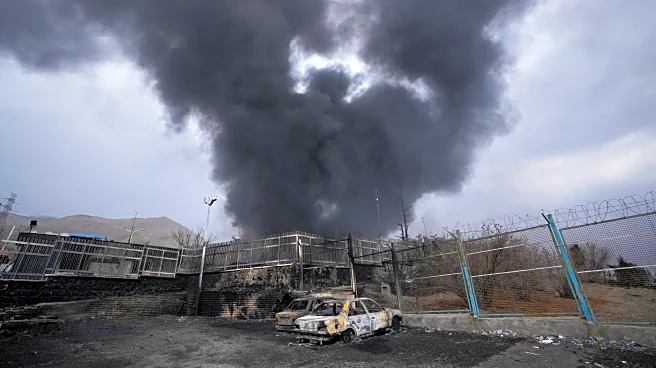
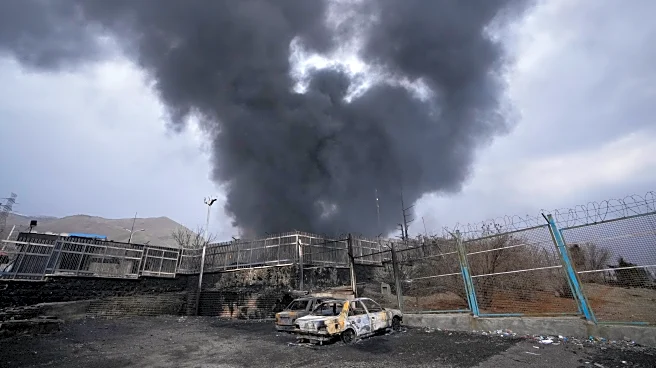
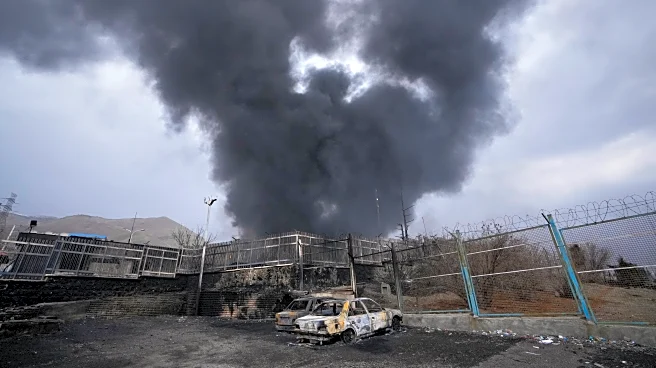
The ongoing conflict between the U.S., Israel, and Iran has driven oil prices above $100 per barrel, causing significant market disruptions. The surge in oil prices has led to a broad market rout, with stocks, bonds, and precious metals experiencing declines.
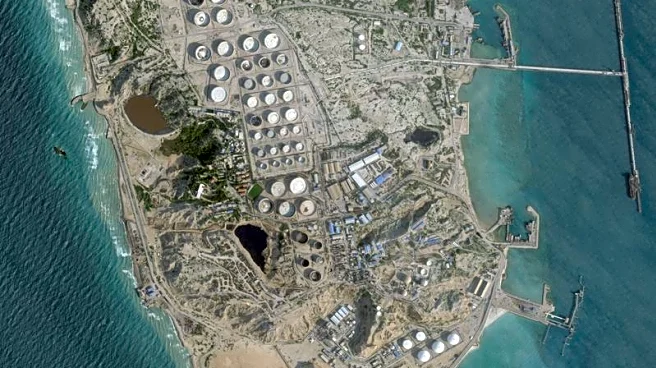
The U.S. dollar has strengthened as investors seek safe-haven assets amid concerns about global inflation and economic growth. The conflict has already led to the suspension of around a fifth of global crude and natural gas supplies, with the Strait of Hormuz being a focal point of disruptions.
Why It's Important?
The rise in oil prices poses a significant threat to global economic stability, particularly for regions heavily reliant on Middle Eastern energy supplies. The situation highlights the vulnerability of global markets to geopolitical tensions and the potential for prolonged disruptions to impact economic growth. The strengthening of the U.S. dollar reflects investor concerns about inflation and the potential for central banks to adjust monetary policies in response to rising energy costs. The conflict underscores the need for diversified energy sources and strategic reserves to mitigate the impact of geopolitical risks.
What's Next?
As the conflict continues, further disruptions in energy supplies are possible, potentially leading to even higher prices. Governments and international organizations may consider releasing strategic reserves to stabilize markets. Diplomatic efforts to resolve the conflict and secure energy supply routes are likely to intensify. The global community will be closely monitoring developments, with potential for further economic and geopolitical shifts.