




What's Happening?
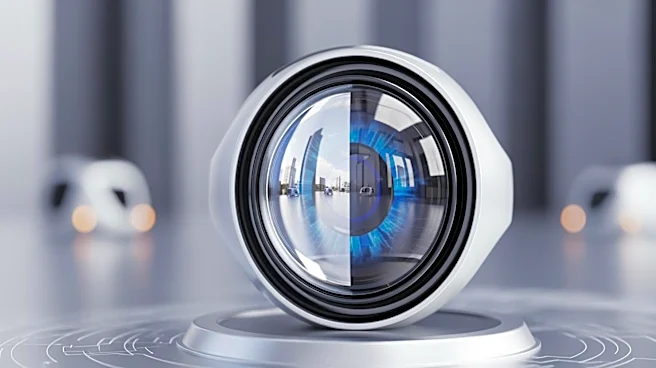
A team of researchers, including an engineer from Penn State, has developed a new type of artificial eye that mimics the human eye's ability to adapt to varying light conditions. This innovation involves the use of photomemristors, which are small electrical
devices capable of converting light into electrical current. These devices are designed to function effectively in mixed lighting environments, such as those encountered by self-driving cars and robots. The photomemristors are constructed from materials like PEDOT:PSS and titanium oxide, allowing them to dynamically adjust their sensitivity to light. This development could lead to more reliable optical systems that can process light data faster and more adaptively than current technologies.
Why It's Important?
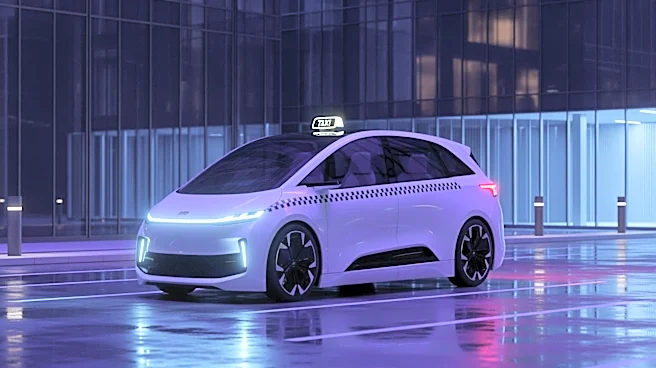
The advancement of artificial eyes that can adapt to mixed lighting conditions is significant for the future of autonomous vehicles and robotics. Current systems often struggle with varying light levels, which can affect their ability to accurately perceive their surroundings. By mimicking the human eye's adaptability, these new photomemristors could enhance the safety and efficiency of self-driving cars, particularly in challenging environments like nighttime driving. Additionally, this technology could improve human-robot interactions, allowing robots to operate more effectively in diverse settings. The potential applications extend beyond transportation, offering possibilities for aiding visually impaired individuals and enhancing industrial automation.
What's Next?
The research team plans to further develop the photomemristors into a comprehensive sensing system that can interpret both visual and tactile data. This could lead to reduced power usage and expanded functionality in various applications. Future developments may include integrating these systems into existing technologies for self-driving cars and exploring their use in assisting visually impaired individuals. The ongoing research aims to refine the technology for broader adoption, potentially transforming how machines interact with their environments.
Beyond the Headlines
The development of adaptive artificial eyes raises important considerations regarding the ethical and societal implications of advanced robotics and autonomous systems. As these technologies become more integrated into daily life, questions about privacy, security, and the displacement of human labor may arise. Additionally, the potential for these systems to enhance human capabilities, such as aiding the visually impaired, highlights the need for careful consideration of accessibility and inclusivity in technological innovation.