






What's Happening?
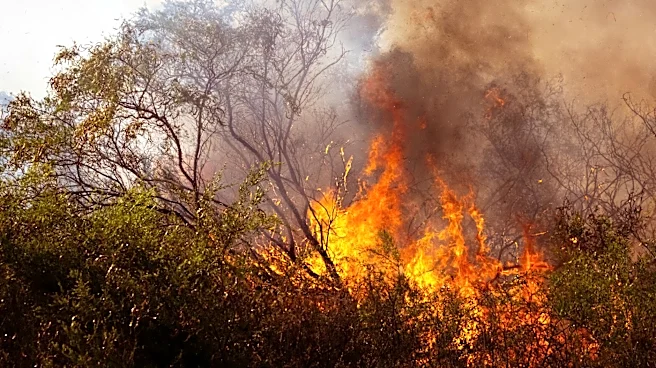
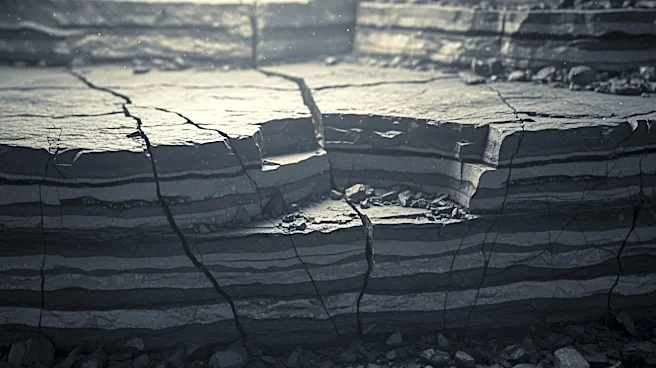
Recent research has highlighted the dangers posed by collapse structures in the Jharia coalfield, which act as high-temperature gas vents. These structures result from underground coal mine fires, leading to extreme heating, greenhouse gas emissions,
and subsidence risks. The study, published in Communications Earth & Environment, emphasizes the need for updated monitoring and mitigation strategies to ensure safety in mining operations. The Jharia coalfield, with its extensive reserves, has been plagued by subsurface fires for over a century, causing significant environmental and operational challenges.
Why It's Important?
The findings from the Jharia coalfield study are crucial for understanding the environmental and safety challenges in coal mining regions. The collapse structures not only pose direct risks to mining operations but also contribute significantly to greenhouse gas emissions. This research underscores the importance of developing comprehensive risk mitigation frameworks that address both the thermal and mechanical impacts of these structures. The study serves as a global case study for managing coal mine fires, highlighting the need for improved safety protocols and environmental management in fire-prone mining areas.
What's Next?
The study suggests that mine fire management should incorporate strategies to monitor and mitigate the impacts of collapse structures. Further research is recommended to explore the soil, water, and ecological impacts around these fires and collapse zones. This could lead to the development of more effective risk mitigation frameworks, ensuring safer mining operations and reduced environmental damage. The findings may also influence policy changes and regulatory measures aimed at improving safety and environmental standards in the mining industry.