


What's Happening?
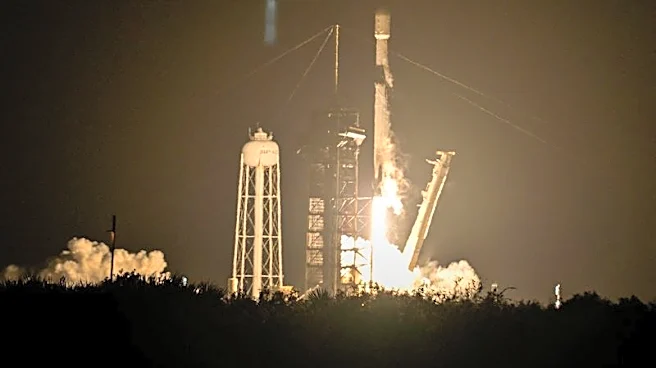
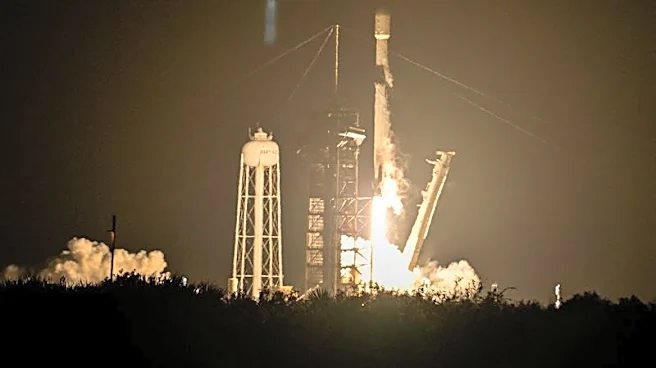
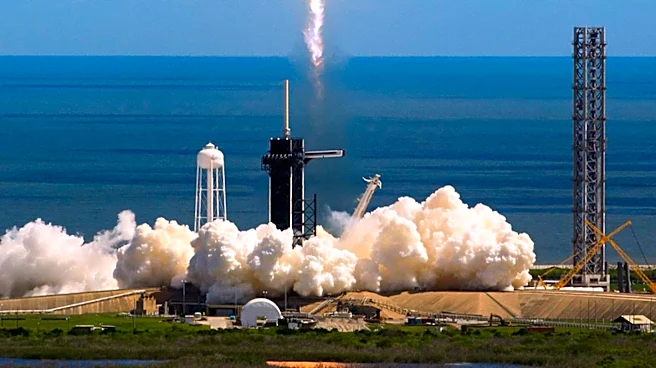
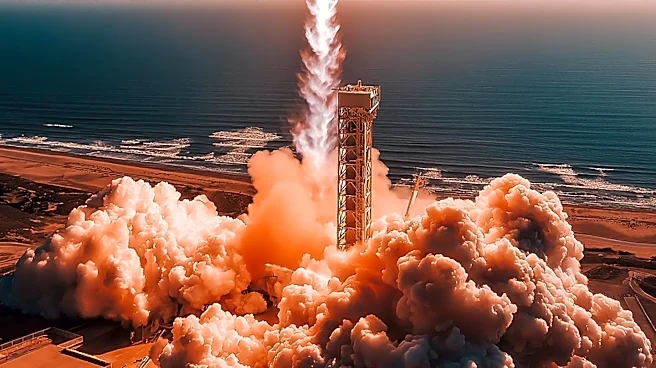
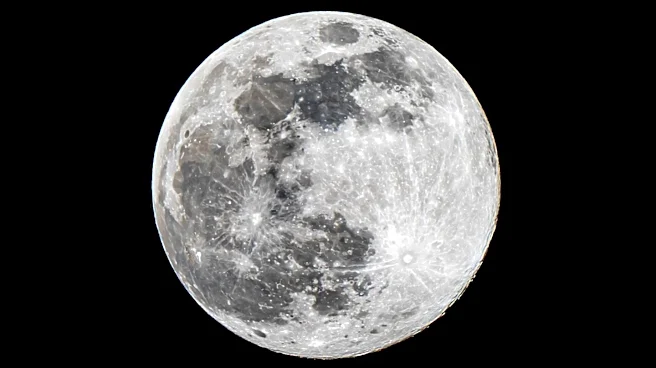
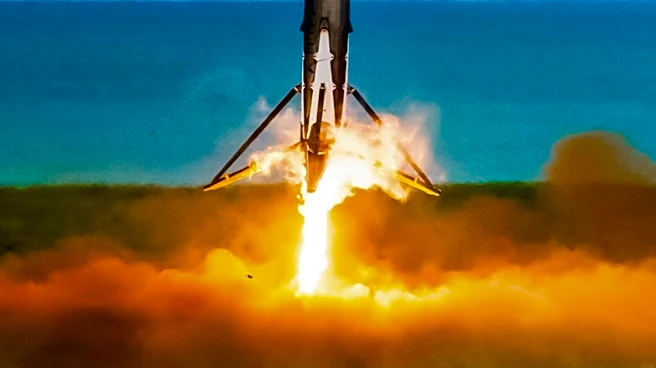
A piece of a SpaceX Falcon 9 rocket, which had been drifting in space since its launch in January 2025, is believed to have crashed into the moon. The rocket's second stage, weighing 4 metric tons, was expected to impact the moon's surface at a speed
of 5,400 miles per hour. The impact was unintentional, and the rocket piece was expected to hit the Einstein Crater on the moon's western limb. This event highlights the challenges of managing space debris, as the rocket stage remained in space due to the high thrust required for its mission, rather than falling back to Earth.
Why It's Important?
The incident underscores the growing issue of space debris and its potential impact on future lunar missions. As space agencies, including NASA, plan to establish lunar bases and conduct regular missions under programs like Artemis, the presence of space junk poses a risk to these assets. The unintentional crash of the SpaceX rocket stage serves as a reminder of the need for improved space debris management and disposal practices to ensure the safety and sustainability of space exploration activities.
What's Next?
NASA and SpaceX are reportedly discussing measures to prevent future lunar impacts from space debris. This may involve developing new technologies and protocols for tracking and managing space junk. As the Artemis program progresses, ensuring the safety of lunar missions will be a priority, potentially leading to international collaborations and policy developments aimed at mitigating space debris risks.