








What's Happening?
The Maryland Department of Agriculture (MDA) has announced the allocation of approximately $100,000 to 11 urban farms and community gardens through its inaugural Urban Agriculture Grant Program. This funding is designed to bolster the operations of urban producers,
foster stronger community ties, and enhance access to fresh, healthy food, particularly in areas identified as having limited access to grocery stores and local produce. Maryland Department of Agriculture Secretary Kevin Atticks emphasized that urban farms contribute to community growth beyond just food production. The grants will support various capital improvements, including the installation of cold storage, post-harvest washing and packing stations, crop protection measures, and food safety training. These investments are intended to help growers minimize food loss, maintain produce quality, and improve their capacity to serve their communities. Additionally, funding will be provided for educational materials to engage residents in learning about food cultivation and natural resource management. The Maryland General Assembly has committed to funding this program annually through Fiscal Year 2029.
Why It's Important?
This grant program is significant for several reasons, primarily addressing food insecurity and promoting sustainable agricultural practices within urban environments. By supporting urban farms and community gardens, the MDA aims to create more equitable access to nutritious food options in underserved communities, which often face challenges in obtaining fresh produce. The investment in infrastructure like cold storage and washing stations is crucial for these smaller-scale operations to increase efficiency, reduce waste, and meet food safety standards, thereby making them more viable and impactful. Furthermore, the program strengthens local economies by supporting small agricultural businesses and fostering community engagement through educational initiatives. This approach not only provides fresh food but also cultivates a deeper understanding of food systems and environmental stewardship among urban residents. The long-term commitment from the Maryland General Assembly through Fiscal Year 2029 signals a sustained effort to integrate urban agriculture into the state's broader food strategy, potentially serving as a model for other regions facing similar challenges.
What's Next?
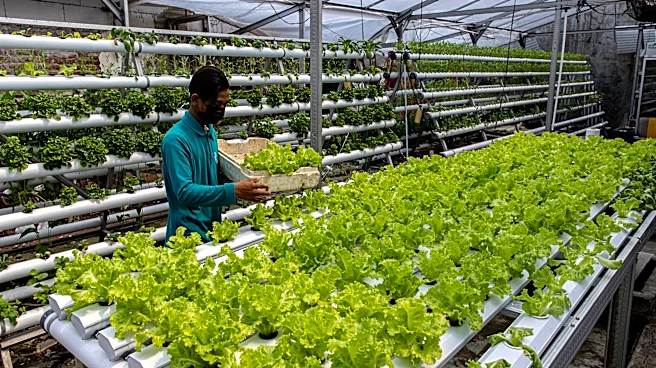
The immediate next steps involve the 11 selected urban farms and community gardens utilizing the awarded funds for their proposed capital improvements and educational initiatives. Organizations in Anne Arundel County, Baltimore City, Prince George’s County, and Montgomery County will implement projects ranging from installing cold storage units and wash stations to expanding bee colonies and purchasing vertical propagation equipment. These improvements are expected to enhance their operational capacity and their ability to supply fresh produce to local communities. Looking ahead, the Maryland Department of Agriculture anticipates opening the next round of grant funding in June 2027, indicating a continuous commitment to supporting urban agriculture. This regular funding cycle will allow more urban producers to apply for assistance, fostering ongoing growth and development in the sector. The program's continued implementation is expected to further strengthen local food systems, improve food access, and promote sustainable farming practices across Maryland's urban areas.
Beyond the Headlines
Beyond the immediate benefits of increased food access and improved farm infrastructure, this initiative highlights a broader shift towards recognizing urban agriculture as a vital component of sustainable urban development. The program underscores the potential of localized food production to address complex issues such as food deserts, community resilience, and environmental sustainability. By investing in urban farms, Maryland is not only providing fresh produce but also fostering green spaces, promoting biodiversity, and creating educational opportunities that connect residents with the origins of their food. This approach can lead to a more engaged citizenry that understands and values sustainable practices. Furthermore, the emphasis on environmentally sustainable farming practices within the grant program suggests a commitment to mitigating the ecological footprint of food production, even in urban settings. This could inspire innovative urban planning that integrates agriculture more seamlessly into city landscapes, contributing to healthier communities and a more sustainable future.