







What's Happening?
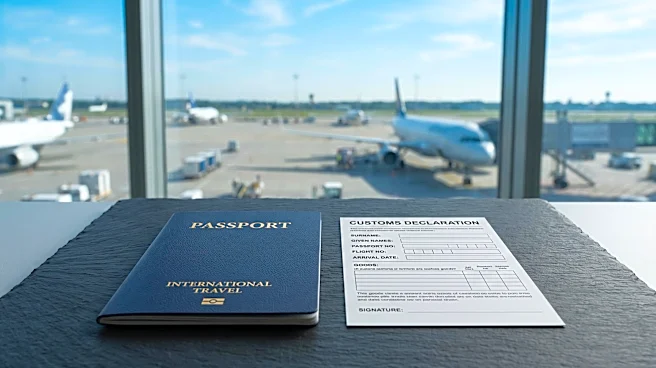
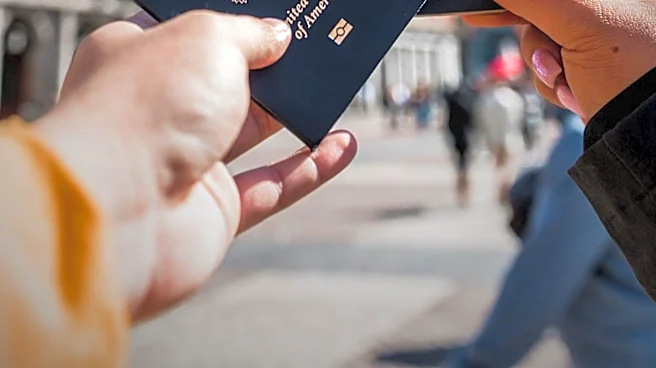
US citizens are permitted to travel to Brunei without requiring a visa for stays lasting up to 90 days. This visa-free entry simplifies travel logistics for American passport holders planning short-term visits to the Southeast Asian nation. The policy
is part of broader international travel agreements that facilitate tourism and short business trips. While visa-free, travelers are reminded that such entries typically have duration limits, often between 30 to 90 days, and are generally restricted to tourism and brief business engagements. It is also crucial for travelers to ensure their passports remain valid for at least six months beyond their intended stay, as many countries enforce this rule to prevent entry issues. The information regarding visa requirements is subject to change, and travelers are advised to confirm the latest regulations with the respective embassy or official immigration website before making travel arrangements.
Why It's Important?
This visa-free arrangement is significant for US citizens as it removes a common barrier to international travel, making Brunei a more accessible destination for tourism and business. For individuals and businesses, the absence of visa application processes saves time, effort, and potential costs associated with obtaining travel documents. This ease of access can foster increased cultural exchange and economic ties between the United States and Brunei. From a broader perspective, such agreements reflect diplomatic relations and mutual trust between nations, promoting international mobility. The convenience offered by visa-free travel can also stimulate the travel industry, benefiting airlines, hotels, and local businesses in Brunei that cater to international visitors. Conversely, travelers must remain aware of the specific conditions of their visa-free entry, as overstaying or engaging in unauthorized activities can lead to penalties and future travel restrictions.
What's Next?
Travelers planning to visit Brunei should continue to monitor official government travel advisories and embassy websites for any updates to entry requirements. While the current policy allows visa-free entry for US citizens, international travel regulations can change due to various factors, including geopolitical developments, public health concerns, or bilateral agreements. Future developments might include adjustments to the maximum stay duration or the introduction of electronic travel authorizations (ETAs), which are quick online authorizations that some countries are adopting. US citizens should also be prepared for potential changes in entry protocols, such as health screenings or specific documentation requirements, which have become more common in global travel. It is always recommended to verify all travel requirements well in advance of any planned trip to ensure a smooth and uninterrupted journey.
Beyond the Headlines
The ability for US citizens to travel visa-free to Brunei underscores a broader trend in international relations where countries seek to facilitate legitimate travel while maintaining national security. Such policies often reflect a balance between promoting tourism and trade and managing immigration. The convenience of visa-free travel can subtly influence perceptions of a country, making it appear more welcoming and open. However, it also places a greater onus on travelers to understand and adhere to local laws and customs, as the absence of a visa does not imply a waiver of national sovereignty. Furthermore, the 'six-month rule' for passport validity, a common requirement globally, highlights the importance of administrative details in international travel, often overlooked until the last minute. This rule serves as a practical measure to prevent travelers from becoming stranded with an expired passport in a foreign country, emphasizing the need for diligent travel planning.