






What's Happening?
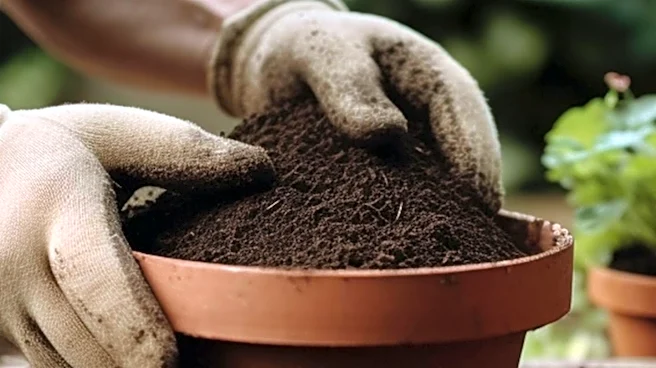
Home composting provides various methods for individuals to convert organic waste into nutrient-rich soil amendments. Key components for successful home composting include a dark bin with a tight-fitting lid and air holes, moist bedding such as shredded
paper, and composting worms like red wigglers, alongside food scraps. The process involves mixing nitrogen-rich 'greens' (e.g., fruit and vegetable scraps) with carbon-rich 'browns' (e.g., dry leaves, shredded cardboard) and maintaining proper moisture and aeration. The U.S. Environmental Protection Agency (EPA) suggests a ratio of two to three parts browns to one part greens by volume. Well-maintained compost piles can be ready in three to five months, while untended piles may take up to a year. Composting helps reduce landfill waste and improves soil structure and moisture retention. While some products like Reencle offer indoor composting solutions, the overall effectiveness and best practices for home composting depend on consistent management.
Why It's Important?
The widespread adoption of home composting practices holds significant environmental and economic implications for U.S. communities. By diverting food and yard waste from landfills, composting directly reduces methane emissions, a potent greenhouse gas, contributing to climate change mitigation efforts. Economically, it offers a free and sustainable alternative to purchasing commercial soil amendments, benefiting home gardeners and potentially reducing municipal waste management costs. The practice also fosters a more circular economy by transforming waste into a valuable resource. For individuals, it provides a tangible way to contribute to environmental sustainability and improve the health of their gardens and landscapes. The success of home composting relies on public education and accessible resources, highlighting the importance of initiatives that guide individuals on proper techniques and acceptable materials.
What's Next?
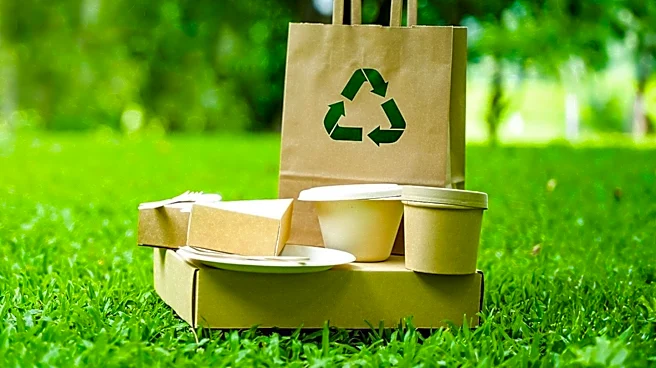
As awareness of environmental sustainability grows, there is a potential for increased interest and participation in home composting across the U.S. Local governments and environmental organizations may expand educational programs and provide resources to encourage more residents to compost. Innovations in composting technology, such as compact indoor systems, could make composting more accessible to individuals in urban environments or those with limited outdoor space. Furthermore, the development of clearer standards and certifications for compostable products will be crucial to ensure that materials labeled as 'compostable' genuinely break down in home composting environments. Continued research into efficient composting methods and community-level support will be vital for maximizing the environmental benefits of home composting.
Beyond the Headlines
Beyond its immediate environmental benefits, home composting fosters a deeper connection between individuals and their consumption habits. It encourages a mindful approach to waste generation, prompting people to consider the lifecycle of their food and other organic materials. This practice can lead to broader shifts in consumer behavior, promoting reduced food waste and a greater appreciation for natural resource cycles. Ethically, it aligns with principles of stewardship and sustainability, empowering individuals to take direct action in addressing environmental challenges. Culturally, as more communities embrace composting, it could become a more normalized and integrated aspect of daily life, contributing to a collective sense of environmental responsibility and community well-being.