



What's Happening?
The World Resources Institute (WRI) has announced a hybrid work model for its 'Just Transition and GEDSI Research Consultant for EPR for Packaging' position. This role, based in Jakarta, Indonesia, requires the consultant to be in the office for 8 days
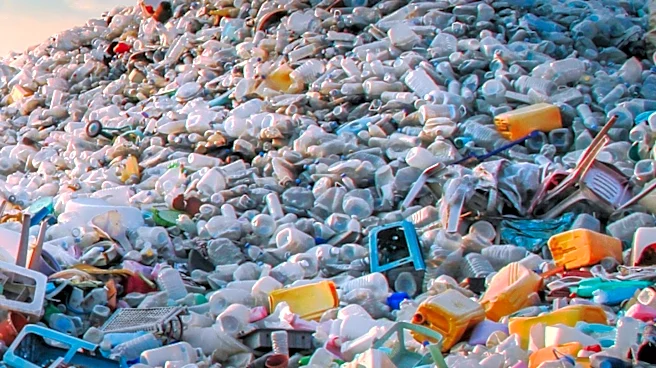
per month, with the remaining work conducted remotely. WRI Indonesia, an independent, nonprofit research organization, is focused on advancing evidence-based policies and solutions for sustainable development, particularly in plastic pollution and the circular economy. The consultant will lead research, analysis, and drafting of a technical paper on streamlining equity and just transition in Extended Producer Responsibility (EPR) for packaging. This initiative aims to strengthen the enabling ecosystem for inclusive mandatory EPR in Indonesia. The position emphasizes flexible working hours and offers access to WRI's global network, promoting diversity and inclusion within its workplace culture. The role also involves extensive stakeholder engagement, including government ministries, producers, and waste picker associations.
Why It's Important?
The adoption of a hybrid work model by an organization like WRI signifies a broader trend in professional environments, balancing the need for in-person collaboration with the flexibility of remote work. This approach can attract a wider pool of talent by offering greater work-life balance, potentially leading to more diverse and skilled teams. For the specific role, the hybrid model supports critical research into sustainable packaging systems and social equity within the waste management sector. The findings from this research are crucial for developing policies that ensure a just transition for workers in the informal waste sector, particularly in Indonesia. The emphasis on Gender Equality, Disability, and Social Inclusion (GEDSI) in the research highlights a commitment to equitable development, which can have significant societal impacts by protecting vulnerable populations affected by environmental policies. This model also demonstrates how organizations are adapting to modern work preferences while maintaining operational effectiveness.
What's Next?
The selected consultant will begin their role in December 2026, with deliverables scheduled through December 2027. Key next steps include developing a research publication plan, conducting data collection, and drafting the technical paper on equity and just transition in EPR for packaging. The consultant will also be responsible for developing a framework and pathway for an inclusive EPR system in Indonesia and proposed GEDSI guidelines for EPR. These outputs will inform policy recommendations and practical implementation strategies for government, producers, and other stakeholders. WRI Indonesia will continue to engage with various entities, including government agencies, industry associations, and community organizations, to facilitate technical consultations and validate the proposed frameworks. The ongoing work will contribute to strengthening policies and implementation mechanisms to reduce plastic pollution and promote a more inclusive and sustainable packaging system in Indonesia.
Beyond the Headlines
The hybrid work model adopted by WRI for this consultant position reflects a growing recognition of the benefits of flexible work arrangements in fostering employee well-being and productivity. Beyond the immediate project, this approach could influence other research and development organizations to adopt similar models, potentially reshaping the landscape of international development work. The focus on a 'Just Transition' in EPR for packaging addresses complex ethical and social dimensions of environmental policy. It acknowledges that environmental solutions must not inadvertently harm vulnerable populations, such as informal waste pickers. This holistic approach, integrating social equity with environmental sustainability, sets a precedent for future policy development, emphasizing the need for inclusive frameworks that consider the socio-economic impacts on all stakeholders. The project's commitment to GEDSI principles further underscores a broader shift towards more equitable and inclusive development practices globally.