





What's Happening?
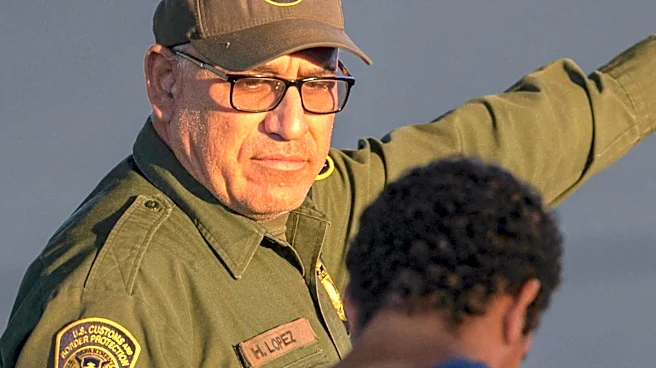
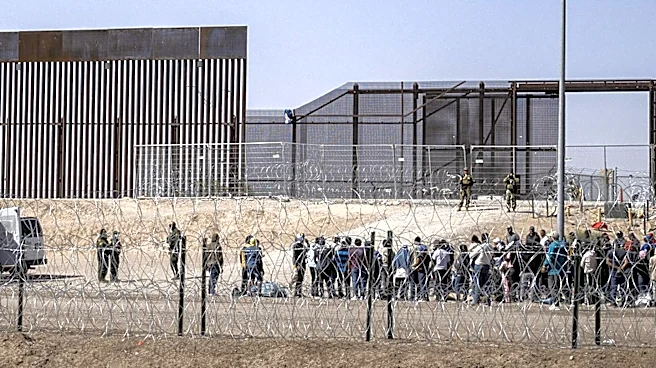
Immigration and Customs Enforcement (ICE) has significantly increased its enforcement activities, detaining more than 10,000 individuals over a five-day period. According to internal documents and officials, the daily arrest rate has doubled to approximately
2,000, with a peak of over 2,400 arrests on a single day. This surge in arrests has raised the number of detainees in ICE custody to over 63,000. The increase in enforcement follows directives from the White House, which has pushed for higher arrest figures. Field offices have been instructed to allocate about 80% of their officers to arrest duties, operating seven days a week. This operation comes after Homeland Security Secretary Markwayne Mullin's commitment to move away from high-profile raids, which had previously drawn criticism. Despite the quieter approach, the recent surge has faced criticism from both political parties, particularly due to the arrest of individuals such as a Nigerian nun and nurse, minors, and others who have been granted protection from deportation.
Why It's Important?
The recent surge in ICE arrests highlights the ongoing debate over immigration enforcement in the United States. The operation has sparked backlash from both Democrats and Republicans, indicating a bipartisan concern over the methods and targets of ICE's enforcement actions. Critics argue that the focus should be on violent criminals rather than individuals who pose no threat to the community, such as a Catholic nun. This development underscores the tension between the federal government's immigration policies and the public's perception of fairness and justice. The increase in arrests could have significant implications for immigrant communities, potentially leading to heightened fear and uncertainty among undocumented individuals. Additionally, the political backlash may influence future policy decisions and enforcement strategies, as lawmakers and advocacy groups continue to push for reforms in immigration enforcement practices.
What's Next?
The political and public response to the recent ICE operation may lead to further scrutiny and potential changes in immigration enforcement policies. Lawmakers from both parties are likely to continue voicing their concerns, which could result in congressional hearings or legislative proposals aimed at reforming ICE's practices. Advocacy groups may also increase their efforts to support affected individuals and push for more humane immigration policies. The Biden administration may face pressure to balance its enforcement goals with the need to address the concerns of both political allies and opponents. As the situation develops, the administration's response and any subsequent policy adjustments will be closely watched by stakeholders across the political spectrum.