




What's Happening?
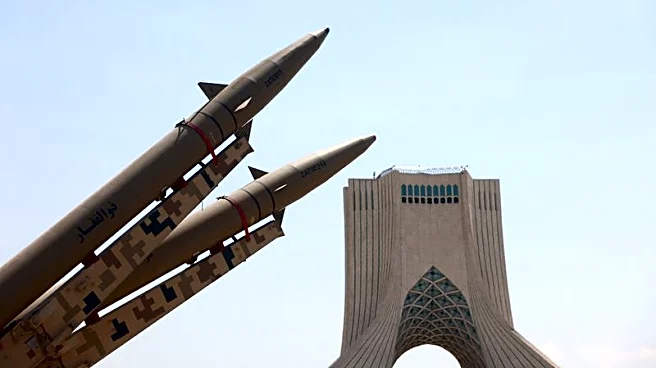
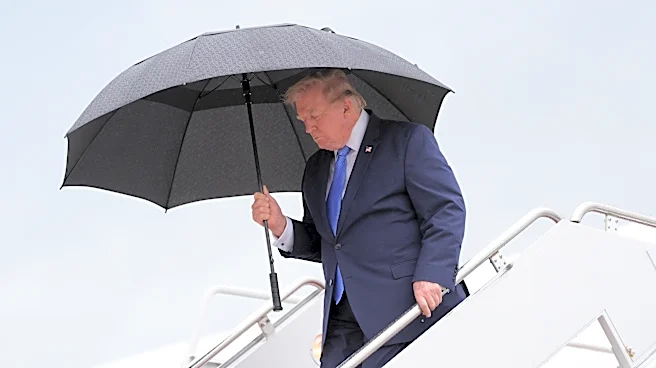
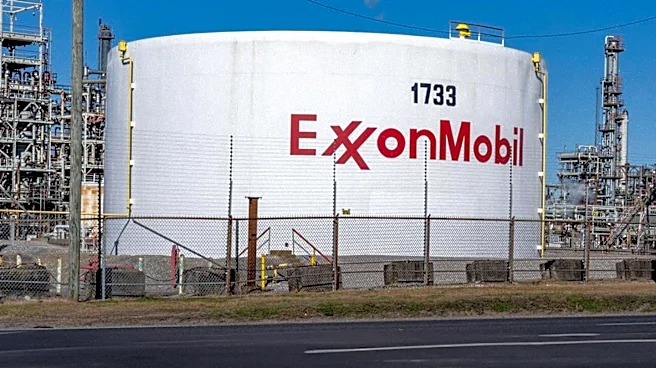
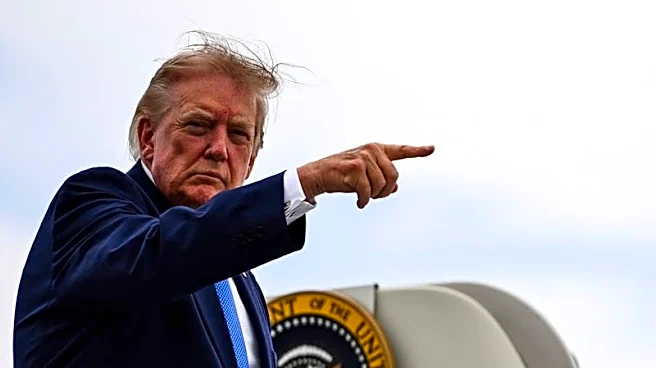
President Trump has publicly criticized Chevron and ExxonMobil for their substantial profits during the ongoing conflict with Iran. The criticism comes as oil prices have surged following coordinated strikes by the U.S. and Israel against Iran, leading
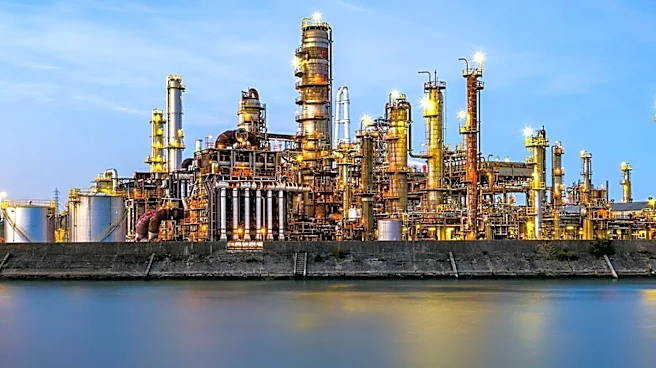
to the closure of the Strait of Hormuz and an American blockade of Iranian ports. Chevron reported second-quarter earnings of $12 billion, a significant increase from $2.5 billion the previous year, while ExxonMobil announced earnings of $14.5 billion. Despite these profits, both companies have focused on reducing debts rather than increasing share buy-backs. The U.S. has also tapped into its strategic oil reserves to stabilize the energy market, with reserves falling to their lowest level since 1983. President Trump has expressed dissatisfaction with the oil companies' profits, despite his support for free enterprise, and has ordered an investigation into potential price gouging.
Why It's Important?
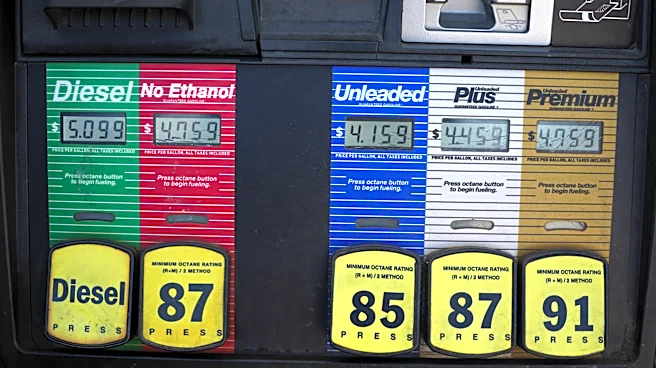
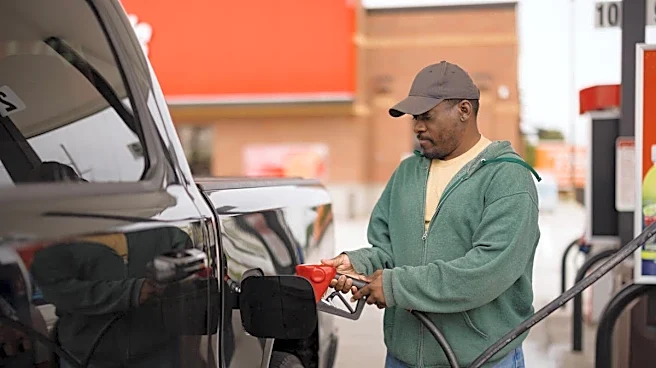
The situation highlights the economic and political complexities of the Iran conflict, particularly its impact on global oil markets and domestic fuel prices. Rising oil prices have led to increased costs at the pump, with U.S. drivers paying over $4 per gallon on average. This has broader implications for consumer spending and business operations, potentially leading to reduced economic activity. President Trump's criticism of oil companies and the investigation into price gouging reflect the administration's attempt to address public discontent over rising fuel costs. However, polling indicates that a significant portion of the public holds President Trump accountable for the economic fallout, which could influence political dynamics and public opinion.
What's Next?
The ongoing conflict and its impact on oil prices are likely to continue influencing U.S. economic and political landscapes. Potential negotiations between Washington and Tehran could affect future oil prices and market stability. The outcome of the Justice Department's investigation into oil companies may also lead to regulatory changes or legal actions. Additionally, public perception of President Trump's handling of the situation could play a role in upcoming elections and policy decisions.