








What's Happening?
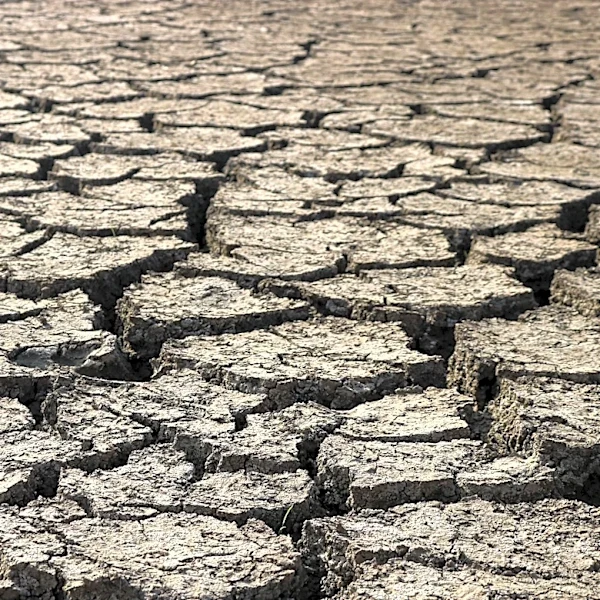
A severe heatwave is affecting several European countries, including France, Italy, Spain, and the UK, leading to the closure of tourist attractions and disruptions in travel plans. France recorded its hottest day on record with temperatures reaching
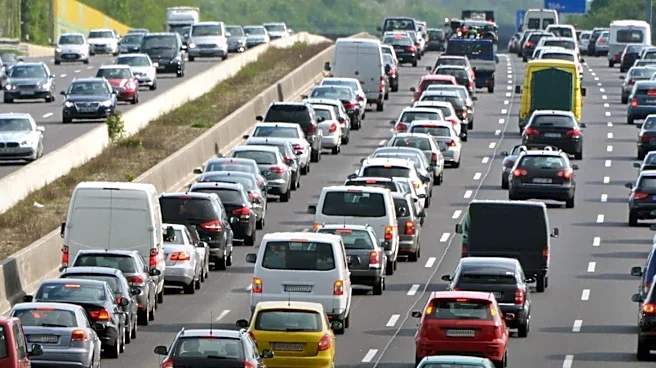
44.3 degrees Celsius. The heat has prompted early closures of landmarks like the Eiffel Tower and has led to red alerts in multiple regions. In Italy, the health ministry issued high-level alerts, and Spain has canceled traditional events due to wildfire risks. The heatwave is also affecting transportation networks, with trains running slower or being canceled.
Why It's Important?
The heatwave highlights the growing impact of climate change on global travel and tourism. It underscores the need for adaptive measures in the travel industry to cope with extreme weather conditions. The disruptions caused by the heatwave could lead to economic losses for the tourism sector, as popular destinations become less accessible. Additionally, the situation emphasizes the importance of public safety measures and the need for infrastructure that can withstand extreme temperatures. The travel industry may need to adjust its strategies, focusing on less crowded and cooler travel periods.
What's Next?
Travel companies may increasingly promote travel during shoulder seasons to avoid the extreme heat of summer. This shift could lead to changes in travel patterns, with more tourists opting for spring or autumn trips. Authorities in affected countries might implement long-term strategies to mitigate the impact of future heatwaves, such as improving public infrastructure and increasing public awareness about heat safety. The travel industry may also need to adapt its offerings, providing more flexible itineraries and ensuring that accommodations are equipped to handle high temperatures.