


What's Happening?
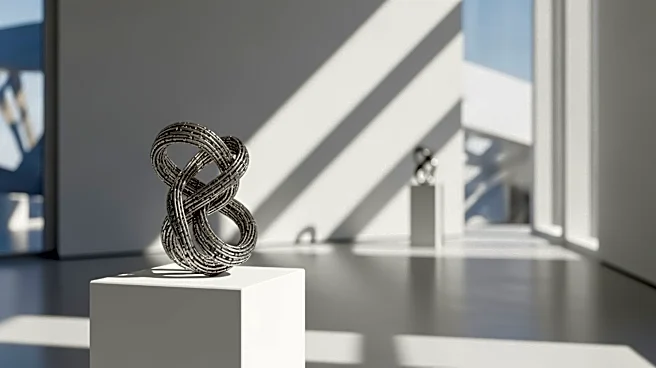
Art Basel Hong Kong 2026 concluded with a record attendance of 91,500 visitors over its five-day run. Despite global uncertainties such as the war in the Gulf and rising oil prices, the event saw significant sales, particularly in the high-value art segment.
Notable sales included Pablo Picasso's 'Le peintre et son modèle' for $4 million and Liu Ye's 2006 painting for $3.8 million. The event featured 240 exhibitors, many of whom reported successful transactions, with a concentration of sales in the five-to-six-figure range. The sales figures indicate a robust market for high-end art, even amidst geopolitical tensions.
Why It's Important?
The successful sales at Art Basel Hong Kong 2026 highlight the resilience of the art market in the face of global economic and political challenges. High-value art transactions suggest continued investor confidence in art as a stable asset class. This trend is significant for U.S. collectors and investors, as it underscores the potential for art to serve as a hedge against economic volatility. The event's success also reflects the growing importance of Asian markets in the global art scene, which could influence U.S. galleries and artists to seek greater engagement with Asian collectors and institutions.
What's Next?
Following the success of Art Basel Hong Kong 2026, U.S. galleries and artists may increase their participation in Asian art markets, seeking to capitalize on the region's growing influence. The event's outcomes could prompt U.S. art institutions to explore collaborations and exhibitions in Asia, fostering cross-cultural exchanges. Additionally, the robust sales may encourage U.S. investors to diversify their portfolios by including high-value art, potentially driving demand for art advisory services and investment funds focused on the art market.
Beyond the Headlines
The record sales at Art Basel Hong Kong 2026 may have broader implications for the art world, including ethical considerations regarding the provenance and cultural significance of artworks. As the market expands, there may be increased scrutiny on the origins of high-value pieces, particularly those from regions with complex histories. This could lead to heightened demand for transparency and ethical practices in art transactions, influencing U.S. galleries and collectors to adopt more rigorous standards in their dealings.