



What's Happening?
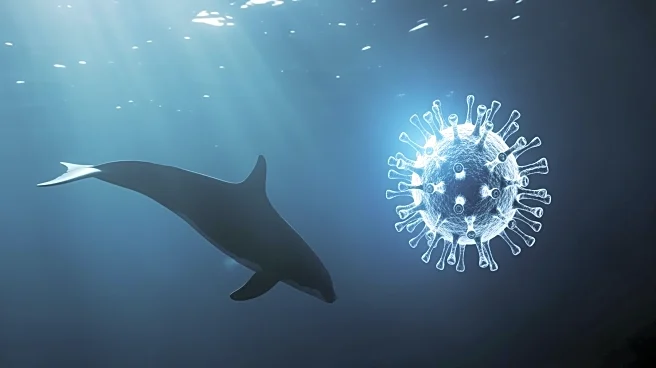
The H5N1 highly pathogenic avian influenza virus has led to the deaths of over 50,000 marine mammals, including seals and sea lions, along the coast of South America. This virus, initially discovered in Asia in 1996, has spread globally, affecting various
species. A study by the University of California, Davis, highlights the severe impact on pinnipeds, such as South American sea lions and southern elephant seals. The research, published in Philosophical Transactions B, emphasizes the need for enhanced monitoring and preventive measures to protect vulnerable species like the endangered Hawaiian monk seal. The study also calls for improved communication among researchers and policymakers to address the virus's spread and its impact on marine wildlife.
Why It's Important?
The spread of H5N1 among marine mammals poses a significant conservation risk, threatening already vulnerable species. The virus's ability to infect a wide range of hosts, including humans, underscores the need for vigilant monitoring and rapid response strategies. The situation highlights the interconnectedness of wildlife health and human health, emphasizing the importance of a One Health approach that integrates efforts across disciplines. The economic and ecological implications are profound, as marine mammals play crucial roles in their ecosystems. The loss of these animals could disrupt marine food webs and impact fisheries, affecting local economies and food security.
What's Next?
The study recommends several actions to mitigate the impact of H5N1 on marine mammals. These include funding long-term wildlife monitoring, enhancing surveillance efforts, and fostering collaboration among international researchers and agencies. There is also a call for policy changes to address the root causes of avian influenza outbreaks. By improving technologies for non-invasive monitoring and engaging with public health practitioners, stakeholders aim to better prepare for future outbreaks. The focus will be on building resilience in affected species and preventing the virus from reaching other vulnerable populations.
Beyond the Headlines
The H5N1 outbreak among marine mammals highlights broader issues of wildlife conservation and disease management. The virus is one of many stressors affecting marine wildlife, alongside habitat loss and climate change. The situation underscores the need for comprehensive conservation strategies that address multiple threats simultaneously. Additionally, the outbreak serves as a reminder of the potential for zoonotic diseases to emerge from wildlife populations, reinforcing the importance of global health security measures.