




What's Happening?
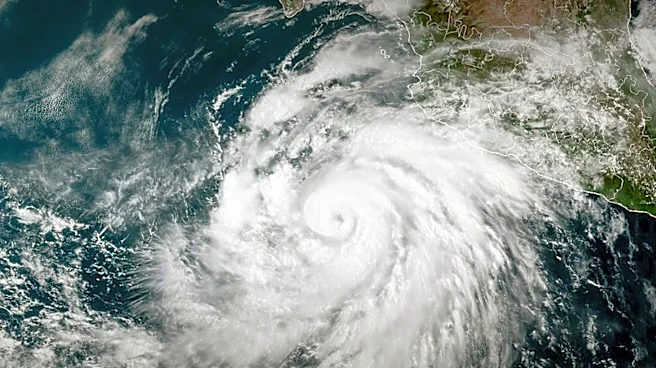
U.S. scientists have developed a new statistical tool to predict the rapid intensification of hurricanes up to five days in advance. This model, created by researchers at the National Science Foundation's National Center for Atmospheric Research (NSF
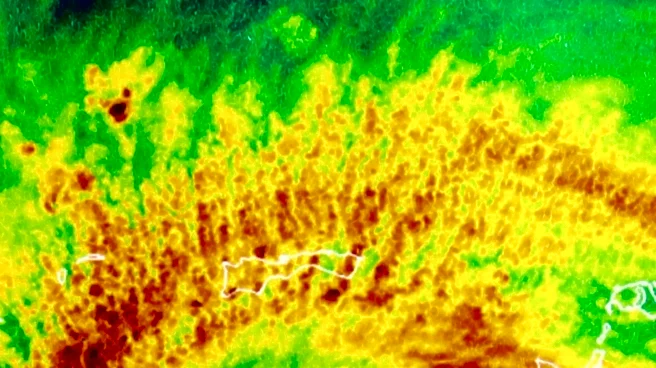
NCAR), analyzes 55 storm and atmospheric variables, including sea surface temperatures and upper-level wind shear. The tool uses logistic regression and data from NOAA's Global Ensemble Forecast System, covering forecasts from 2019 to 2024. The model aims to provide longer warning times for coastal communities, potentially allowing more time for preparations such as evacuations and securing properties. This development comes in response to challenges faced in predicting rapid intensification, as seen in past hurricanes like Michael and Harvey, which caused significant damage due to unexpected strengthening.
Why It's Important?
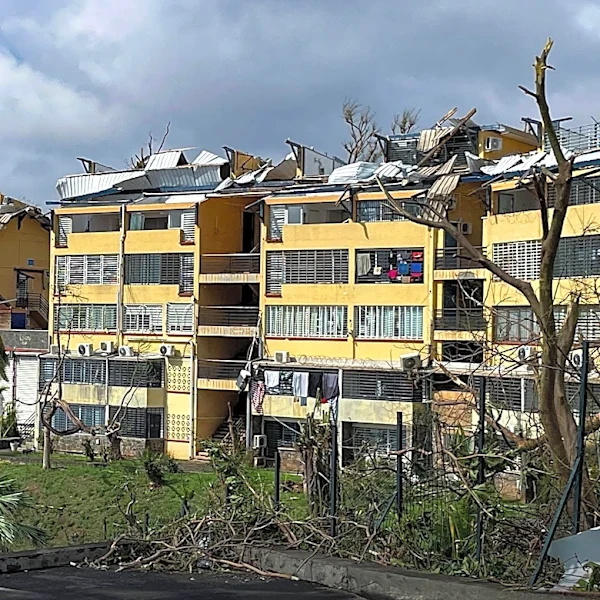
The ability to predict hurricane rapid intensification with greater lead time is crucial for coastal communities, as it can significantly enhance preparedness and response efforts. Current forecasting tools typically offer only one to three days of warning, which may not be sufficient for large-scale evacuations or securing infrastructure. By extending the warning period to five days, the new model could help mitigate the impact of hurricanes, potentially saving lives and reducing economic losses. This advancement is particularly important in light of recent hurricanes that have intensified rapidly, causing extensive damage and loss of life. The model's ability to predict which storm paths are most likely to experience rapid intensification could also improve the accuracy of forecasts, aiding emergency management and planning.
What's Next?
The researchers plan to test the model on more historical hurricane seasons and integrate it with other weather forecasting systems. If successful, the model could become a standard part of hurricane forecasting, providing emergency officials with better tools to make informed decisions. The team also aims to refine the model to enhance its accuracy and reliability, potentially incorporating it into day-to-day operations at the National Hurricane Center. This ongoing development will involve collaboration with meteorologists and emergency management agencies to ensure the model meets practical needs and improves disaster response strategies.