







What's Happening?
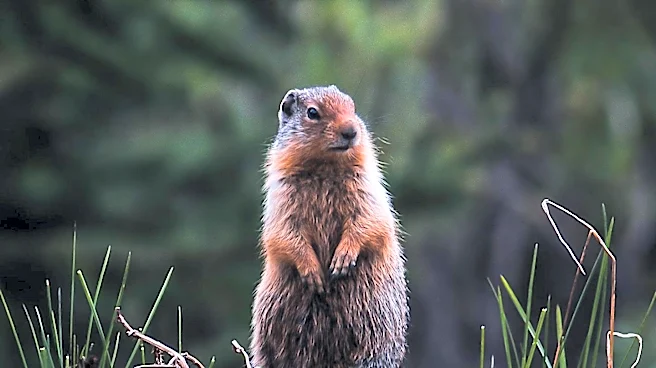
Two mountain-dwelling marmots have mysteriously appeared in bustling Bay Area cities, perplexing wildlife experts. Marmots are typically furry herbivores that inhabit burrows in the Sierra Nevada mountains. The most recent sighting occurred in Antioch
on September 10, with officials speculating the animal hitched a ride on a vehicle traveling from the mountains to the city. Previously, another marmot was discovered on September 4 in the Mission District of San Francisco and is currently recovering at an animal rescue center. Yggdrasil Urban Wildlife Rescue, which is caring for both animals, described the situation as one of the 'stranger cases' they have handled. The rescue center is actively trying to determine the origin of these marmots and aims to return them to their natural habitat. Antioch Animal Services suggested that the latest marmot likely traveled from a mountainous region near Lake Tahoe after the Labor Day weekend. Marmots are known to sometimes crawl into the undersides of vehicles and consume radiator fluid, which can lead to unconsciousness, causing them to wake up far from their original location.
Why It's Important?
The unexpected appearance of mountain-dwelling marmots in urban Bay Area environments is significant for several reasons. Ecologically, it highlights the potential for human activities, such as vehicle travel, to inadvertently displace wildlife, leading to animals appearing in unfamiliar and potentially dangerous habitats. For the marmots, urban settings pose risks like traffic, lack of natural food sources, and exposure to domestic animals, which can threaten their survival. For urban residents, the presence of unfamiliar wildlife can raise concerns about public safety or property damage, although marmots are generally not aggressive. This situation also underscores the critical role of wildlife rescue organizations like Yggdrasil Urban Wildlife Rescue in responding to unusual animal displacement events and providing necessary care and rehabilitation. The incident serves as a reminder of the interconnectedness of urban and natural environments and the unintended consequences of human movement on wildlife populations.
What's Next?
Yggdrasil Urban Wildlife Rescue is focused on discovering the origin story of both marmots and facilitating their return to their natural mountain habitats. Antioch Animal Services has urged individuals who traveled from the Lake Tahoe area to the Delta Fair Blvd area of Antioch near the Pittsburg end in the last few days to contact them, hoping to pinpoint the marmot's exact travel route. The rescue organization also suggested that the animals might have hidden in cars returning from the Burning Man festival in Nevada, which attracted many attendees from the Bay Area. They have advised people who were in the Lake Tahoe area around September 4, especially those returning from Burning Man, to inspect their vehicles for any hitchhiking wildlife. The ongoing efforts to trace the marmots' journeys are crucial for understanding how such displacements occur and for developing strategies to prevent similar incidents in the future, ensuring the safety of both wildlife and urban communities.
Beyond the Headlines
The mysterious appearance of marmots in the Bay Area prompts a deeper reflection on the increasing interface between human development and natural ecosystems. This event, while seemingly isolated, is indicative of broader trends where human expansion and mobility inadvertently impact wildlife. The phenomenon of animals hitchhiking in vehicles, whether due to seeking shelter or ingesting harmful substances like radiator fluid, highlights a less obvious form of human-wildlife conflict. It underscores the need for greater public awareness regarding potential wildlife encounters, even in urban settings, and the importance of checking vehicles after traveling through natural areas. Ethically, it raises questions about human responsibility towards displaced wildlife and the resources allocated to their rescue and rehabilitation. Culturally, such unusual sightings can spark public interest in local wildlife and conservation efforts, potentially fostering a stronger connection between urban populations and the natural world, and encouraging support for organizations dedicated to animal welfare.