








What's Happening?
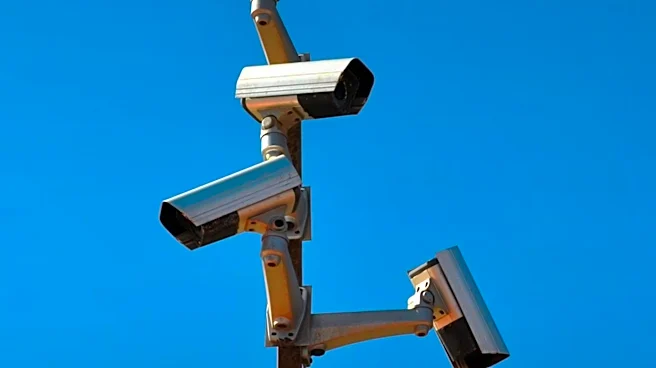
Texas Governor Greg Abbott has directed the state's transportation department to cease issuing permits for new Flock cameras and other automated license plate readers (ALPRs) along state highways. This decision comes after increasing scrutiny and privacy
concerns surrounding the roadside surveillance technology. While existing devices, including over 900 used by the Department of Public Safety, will remain operational, projects that have been approved but not yet installed are now frozen. Governor Abbott's decision in late August to halt state funding for Flock cameras, which had amounted to over $30 million for more than 3,200 devices statewide, preceded this directive. The technology logs every passing license plate into searchable databases, leading to accusations of misuse, including officers allegedly using them to stalk individuals. Conversely, proponents argue that these systems are crucial for solving crimes, recovering stolen vehicles, and locating missing persons.
Why It's Important?
This moratorium in Texas signifies a growing national debate over the balance between public safety and individual privacy rights in the digital age. The widespread deployment of ALPR technology, while effective in certain law enforcement applications, raises significant civil liberties concerns. The ability to track the movements of vehicles and store this data in searchable databases creates a comprehensive surveillance network that could be vulnerable to misuse or abuse. This action by Governor Abbott reflects a response to public and legislative pressure regarding these privacy implications. It could influence other states and municipalities to re-evaluate their own use of ALPR systems, potentially leading to more stringent regulations or outright bans. For technology companies like Flock, this decision represents a significant setback in a major market and could prompt them to address privacy concerns more directly in their product development and deployment strategies.
What's Next?
The immediate consequence is a halt to the expansion of ALPR technology on Texas state highways, preventing new installations. This pause will likely lead to further discussions and potential legislative action regarding the future of such surveillance technologies in the state. Lawmakers may consider drafting new regulations that address data retention, access protocols, and oversight mechanisms for ALPR data. Privacy advocates will likely push for more comprehensive restrictions or even the dismantling of existing systems, while law enforcement agencies will advocate for the continued use of tools they deem essential for public safety. The decision could also spur legal challenges from either privacy groups or technology vendors whose contracts have been impacted. The outcome in Texas may serve as a case study for other states grappling with similar issues, potentially shaping national trends in surveillance technology policy.
Beyond the Headlines
Beyond the immediate policy implications, this development touches upon fundamental questions about the nature of privacy in an increasingly surveilled society. The debate over ALPRs highlights the tension between collective security and individual autonomy, forcing a re-evaluation of what constitutes reasonable surveillance in a free society. The technology's capacity to create detailed movement histories of citizens without individualized suspicion raises concerns about potential chilling effects on freedom of association and movement. Furthermore, the potential for data breaches or unauthorized access to these extensive databases poses significant security risks. This situation also underscores the need for robust democratic oversight of technological advancements, ensuring that new tools are implemented with adequate safeguards and public consent. The Texas decision could be a bellwether for a broader societal reckoning with the pervasive nature of digital surveillance and the need for clearer ethical and legal frameworks to govern its use.