



What's Happening?
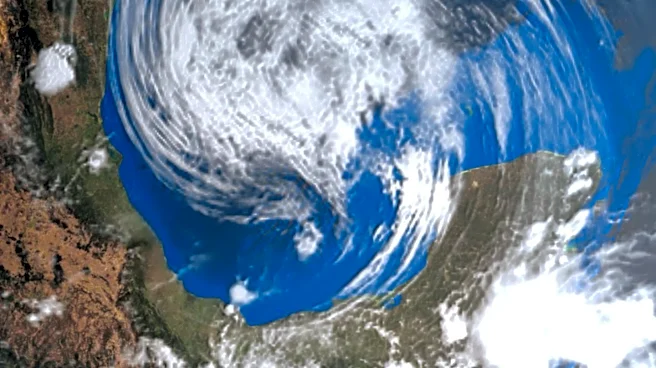
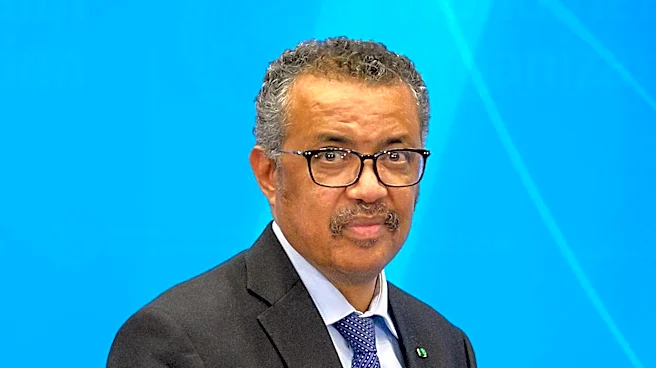
The WHO Director General is being urged to convene an emergency committee on El Niño, recognizing it as a significant global health threat. A "super El Niño" is currently underway, with tropical Pacific Ocean sea surface temperatures at record highs,
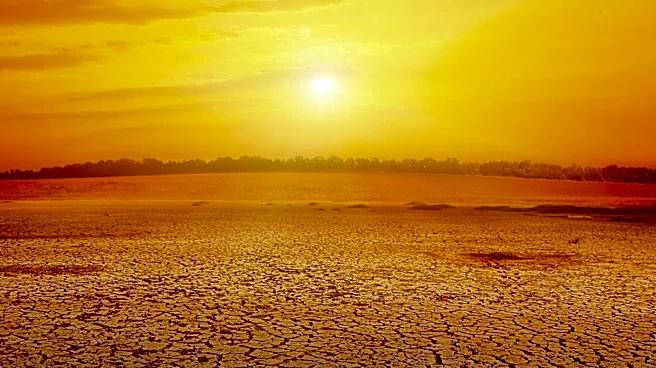
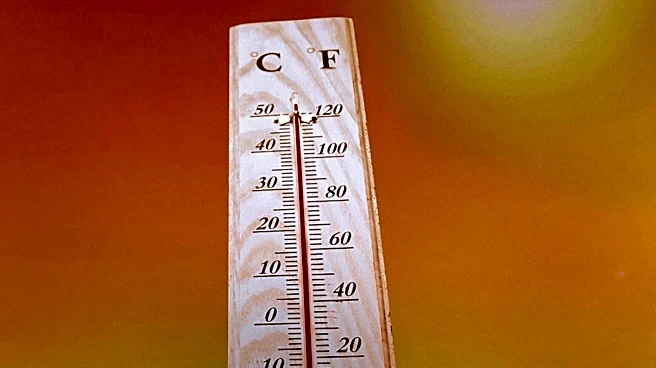
projected to be the strongest ever observed. This phenomenon is anticipated to cause an exceptionally severe period of extreme weather, with an early analysis suggesting nearly half a million deaths from extreme heat alone. Beyond heat, El Niño is expected to trigger epidemics of diseases like dengue fever and cholera. The World Health Organization (WHO) has already designated El Niño as a "Grade 3" emergency internally, its highest operational designation, but has not yet recognized it as a public health emergency of international concern (PHEIC) under international law.
Why It's Important?
Recognizing El Niño as a Public Health Emergency of International Concern (PHEIC) would significantly escalate the global response to its health impacts. A PHEIC declaration would mobilize international resources, coordinate efforts among nations, and provide a legal framework for a more robust and unified approach to mitigating the health consequences of extreme weather events and potential epidemics. The current El Niño's projected intensity and broad health implications, including widespread heat-related deaths and disease outbreaks, underscore the urgency of such a declaration. This move would also set a precedent for how the WHO addresses climate-related health crises, potentially broadening the scope of what constitutes an 'emergency' under international health regulations beyond traditional infectious disease outbreaks.
What's Next?
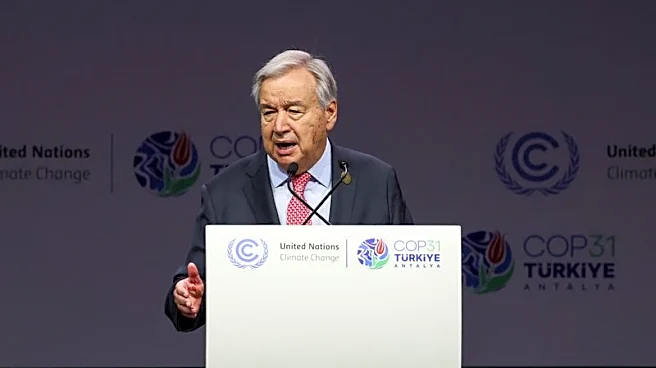
The immediate next step involves the WHO Director General's decision on whether to convene an emergency committee. If convened, the committee would assess the situation and recommend whether to declare El Niño a PHEIC. Such a declaration would likely trigger a coordinated international response, including increased surveillance for climate-sensitive diseases, deployment of medical aid, and public health campaigns in affected regions. It would also put pressure on global leaders to integrate health considerations more deeply into climate change adaptation and mitigation strategies. The ongoing COP31 climate summit provides a timely backdrop for this decision, potentially influencing discussions on climate and health linkages.
Beyond the Headlines
The call for a PHEIC declaration for El Niño highlights a critical evolution in global health governance, pushing the boundaries of what constitutes an international health emergency. Traditionally focused on infectious diseases, the WHO is now confronted with the direct and severe health consequences of climate phenomena. This situation underscores the interconnectedness of environmental health and human well-being, suggesting that future public health strategies must increasingly integrate climate science. A PHEIC declaration for El Niño could pave the way for similar responses to other climate-induced disasters, fundamentally reshaping how international bodies address the health challenges of a warming planet and emphasizing the need for proactive, rather than reactive, global health security measures.