
What's Happening?
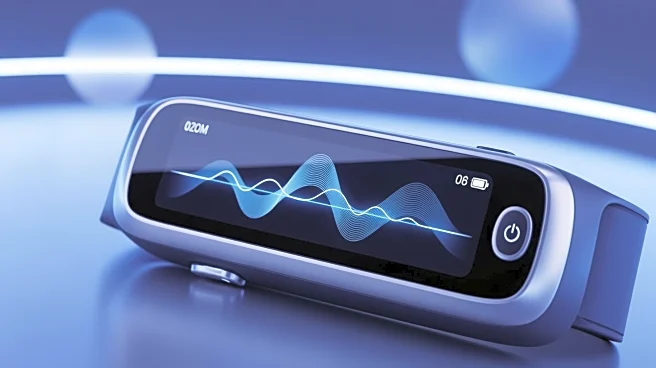
A new system utilizing deep Q-learning and Golden Jackal Optimization has been developed to create adaptive user interfaces for wearable medical devices. This system is designed to process and analyze
data from wearable health monitoring devices in real-time, providing personalized and context-aware interfaces for medical staff, patients, and administrators. The architecture supports continuous health monitoring by capturing physiological signals and ensuring secure data transmission. It integrates with electronic health records (EHRs) to provide enriched clinical context and supports advanced data analytics for early diagnosis and personalized healthcare strategies.
Why It's Important?
The development of adaptive user interfaces for wearable medical devices represents a significant advancement in digital healthcare. By personalizing the user experience, these interfaces can improve patient engagement and adherence to medical advice, leading to better health outcomes. The integration of advanced analytics and secure data handling enhances the ability of healthcare providers to make informed decisions quickly. This technology could revolutionize how healthcare is delivered, particularly in managing chronic conditions and providing remote care.
What's Next?
As this technology is further developed and implemented, it could lead to widespread adoption in healthcare systems worldwide. Future research may focus on refining the algorithms and expanding the range of physiological signals that can be monitored. Collaboration between technology developers, healthcare providers, and regulatory bodies will be crucial to ensure the technology is safe, effective, and compliant with healthcare standards.