





What's Happening?
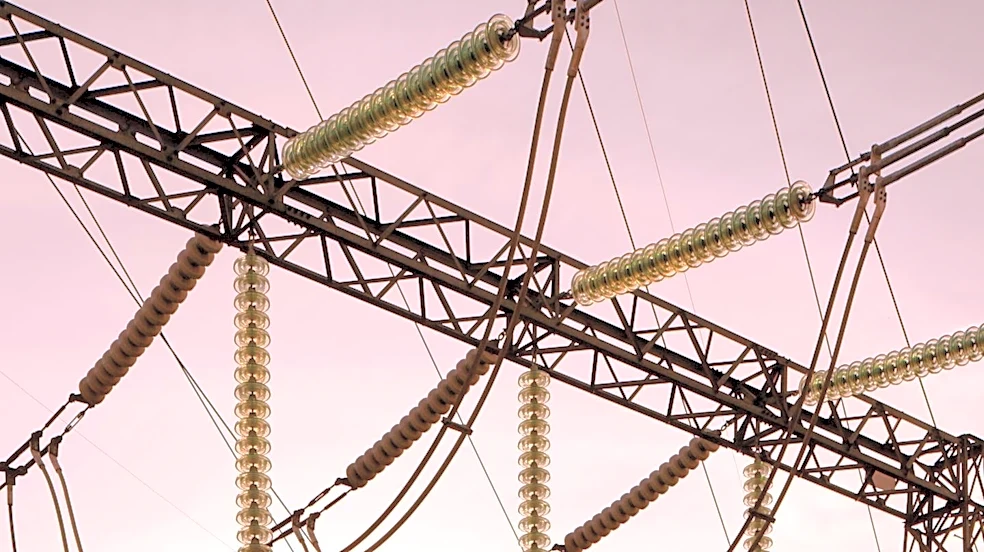
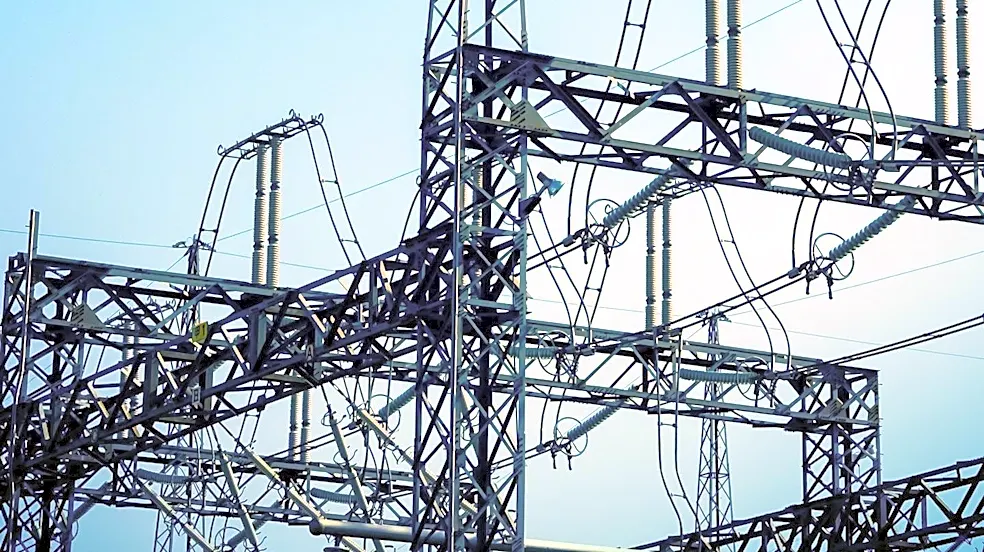
Transmission towers are fundamental to the electrical power grid, supporting high-voltage overhead transmission lines to deliver electricity from power plants to substations over long distances. These structures are crucial for grid reliability, operational
safety, and long-term project performance, especially as electricity demand grows due to industrial development, urbanization, renewable energy integration, and data center expansion. Different types of towers, such as suspension, tension, angle, and dead-end towers, are designed to withstand varying mechanical loads and accommodate changes in transmission line direction. The design process involves evaluating conductor sag, wind pressure, ice loading, conductor tension, temperature variations, and electrical clearances for high-voltage lines. Key components include the tower body, crossarms, insulators, conductor fittings, foundations, grounding systems, and shield wires, all selected and installed according to mechanical, electrical, and environmental specifications.
Why It's Important?
The robust design and proper selection of transmission towers are critical for maintaining a stable and efficient electrical grid. As the U.S. continues to expand its infrastructure to meet increasing energy demands and integrate more renewable energy sources, the reliability of these towers directly impacts the nation's energy security. Higher transmission voltages, facilitated by these towers, reduce resistive losses, making long-distance power transmission more efficient. This efficiency is vital for connecting remote renewable energy projects, like large solar and wind farms, to major demand centers. Furthermore, the coordination between transmission line design and substation development, including transformer capacity and protection systems, ensures that the grid can handle future load requirements, supporting economic growth and technological advancements such as electric vehicle charging networks and data centers. Without reliable transmission infrastructure, the benefits of increased power generation cannot be effectively delivered to consumers and industries.
What's Next?
As electricity demand continues to rise and the integration of renewable energy sources expands, there will be an ongoing need to upgrade existing transmission lines and construct new routes. This will involve careful planning, appropriate tower selection, and coordination with electrical equipment manufacturers to ensure dependable operation. Future projects will likely focus on evaluating structural performance, conductor configuration, voltage requirements, environmental conditions, and maintenance needs. The emphasis will also be on manufacturing quality, installation procedures, and long-term lifecycle costs to build an efficient and resilient electrical network. Utilities and EPC contractors will need to collaborate closely to address the complexities of grid expansion and modernization, ensuring that the transmission infrastructure can support the evolving energy landscape.
Beyond the Headlines
The continuous development and maintenance of transmission tower infrastructure highlight a broader societal challenge: balancing energy demand with environmental considerations and technological advancements. The design of these towers must account for diverse terrains, from mountainous regions to coastal areas, and withstand extreme weather conditions, which are becoming more frequent. This necessitates ongoing research and innovation in materials science and structural engineering to enhance resilience. Moreover, the expansion of transmission lines often involves navigating complex land use issues and public concerns, underscoring the importance of community engagement and policy frameworks that facilitate infrastructure development while minimizing environmental impact. The long-term shift towards a more electrified economy, driven by electric vehicles and data centers, places an even greater premium on robust and adaptable transmission systems, making these seemingly mundane structures central to the nation's future energy strategy.