



What's Happening?
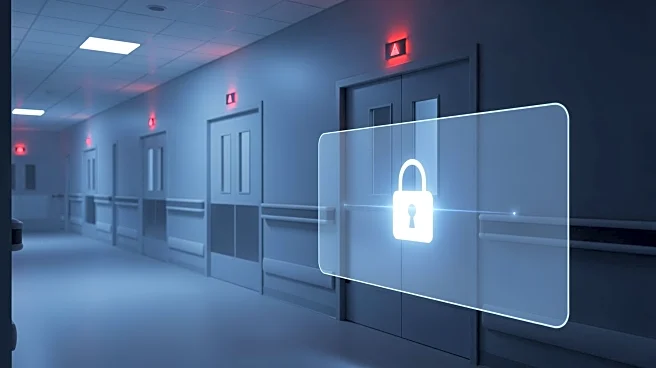
The University of Mississippi Medical Center has been forced to close all of its clinics and cancel elective procedures following a ransomware attack. This incident has significantly impacted one of the state's largest healthcare providers, affecting
approximately three dozen clinics. The attack has led to the shutdown of network systems as a precaution, with officials working to determine the extent of the breach and whether sensitive patient information has been compromised. Despite the closure of clinics, hospitals and emergency rooms remain operational, and patients are receiving care. The attack has disrupted the electronic health record platform, necessitating a return to manual record-keeping. The university is collaborating with the FBI to address the situation, although the demands of the attackers have not been disclosed.
Why It's Important?
This ransomware attack highlights the vulnerability of healthcare systems to cyber threats, which can disrupt critical services and potentially compromise sensitive patient data. The closure of clinics and cancellation of procedures can have severe consequences for patients, particularly those requiring time-sensitive treatments like chemotherapy. The incident underscores the need for robust cybersecurity measures in healthcare institutions to protect against such attacks. The involvement of the FBI indicates the seriousness of the breach and the potential implications for patient privacy and data security. This event may prompt other healthcare providers to reassess their cybersecurity protocols to prevent similar incidents.
What's Next?
The University of Mississippi Medical Center is working to restore its network systems and resume normal operations. Investigators are assessing the extent of the data breach and whether patient information was accessed. The university is in communication with the attackers, although specific demands have not been revealed. The FBI's priority is to restore patient care systems, and further updates from the investigation are anticipated. Healthcare providers across the country may take this incident as a warning to strengthen their cybersecurity defenses to prevent future attacks.