


What's Happening?
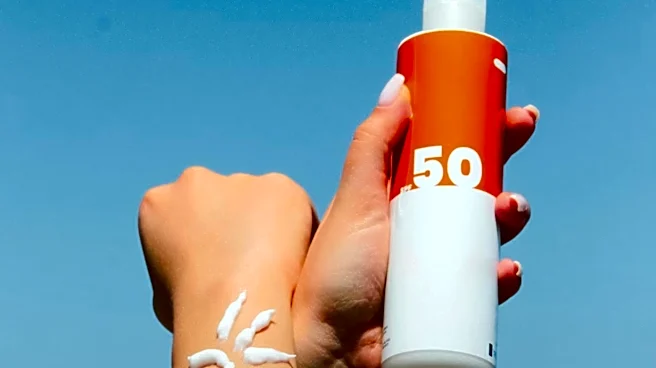
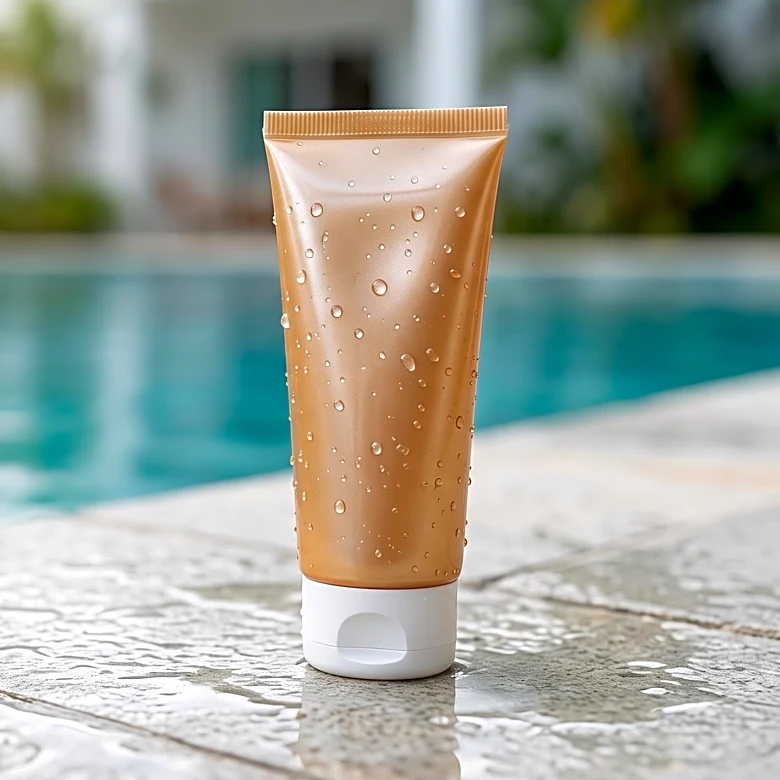
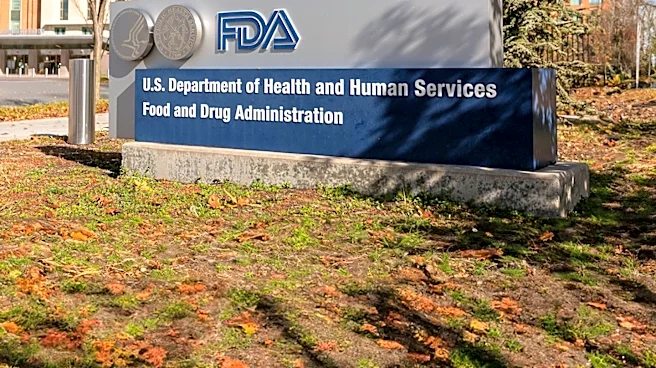
On June 9, 2026, the U.S. Food and Drug Administration (FDA) approved bemotrizinol as a new active ingredient for sunscreens, marking the first such approval since the late 1990s. This development is significant as bemotrizinol, which protects against
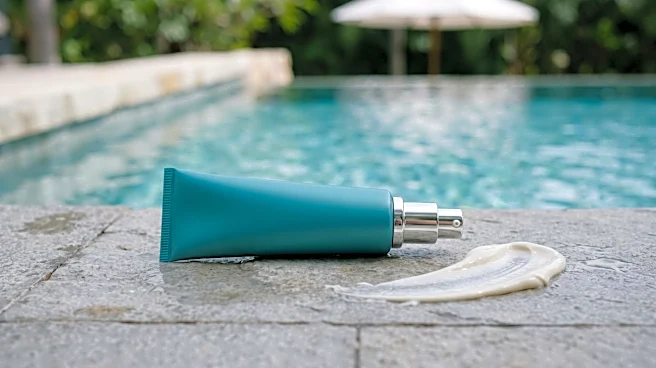
both UVA and UVB rays, has been widely used in European sunscreens for many years. The FDA's decision to add this ingredient to its permitted list could lead to new formulations and improved sun protection products becoming available in the U.S. market. This approval comes amidst broader trends in the sunscreen industry, including a 'softer sun season' in the U.S. in 2025 and ongoing consolidation within the market, such as Kimberly-Clark's acquisition of Neutrogena's owner, Kenvue, and Puig's move to fully acquire ISDIN.
Why It's Important?
The FDA's approval of bemotrizinol is a crucial development for public health and the U.S. skincare industry. For consumers, it means access to potentially more effective and advanced sunscreen formulations, aligning U.S. products more closely with those available in Europe. This could enhance protection against sun damage and reduce the risk of skin cancer. For U.S. manufacturers, the new ingredient opens avenues for innovation and product differentiation, potentially boosting competition and driving research into new sun care technologies. The previous lack of new active ingredients had been a point of concern for many in the industry, so this approval could revitalize the market. It also highlights the regulatory differences between the U.S. and other regions, which often impact product availability and formulation strategies for global brands operating in the U.S.
What's Next?
Following the FDA's approval, U.S. sunscreen manufacturers are expected to begin incorporating bemotrizinol into their product lines. This process will involve reformulating existing products and developing new ones, which may take some time to reach store shelves. Consumers can anticipate seeing sunscreens with enhanced UVA and UVB protection claims. The approval may also spur further regulatory reviews of other active ingredients that have been available internationally but not yet in the U.S. Additionally, the ongoing consolidation in the sun care market, with major acquisitions like Kimberly-Clark's purchase of Kenvue, suggests that larger companies will likely be at the forefront of integrating new ingredients and driving market changes. This could lead to a more concentrated market with fewer, but larger, players dominating the sun care landscape.
Beyond the Headlines
The introduction of bemotrizinol into the U.S. market has deeper implications beyond immediate product availability. It underscores the slow pace of regulatory approval for new active ingredients in the U.S. compared to other regions, raising questions about the FDA's process and its impact on public access to advanced health technologies. This approval could serve as a catalyst for re-evaluating the regulatory framework for sunscreens, potentially streamlining future approvals for other innovative ingredients. Furthermore, the emphasis on broad-spectrum protection and the effectiveness of ingredients like bemotrizinol highlight a growing scientific understanding of sun damage and the need for comprehensive protection. This could lead to a shift in consumer education and marketing, moving beyond simple SPF numbers to a more nuanced understanding of UVA and UVB protection, ultimately fostering a more informed public regarding sun safety.