




What's Happening?
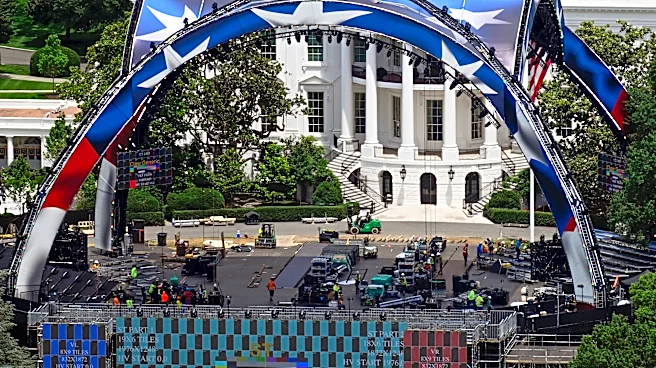
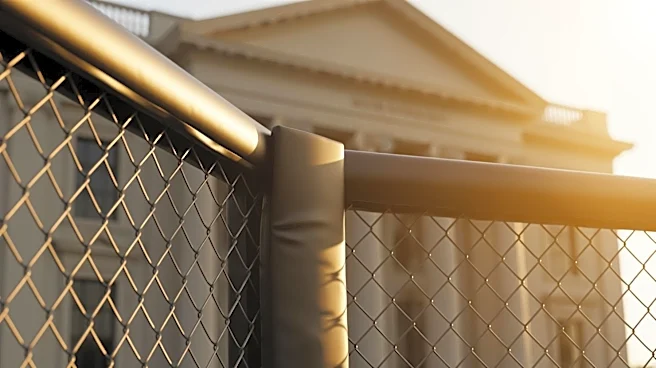
A lawsuit has been filed by two Virginia residents against the planned Ultimate Fighting Championship (UFC) event, UFC Freedom 250, scheduled to take place on the White House grounds on June 14. The plaintiffs argue that the event violates National Park
Service environmental review regulations and federal law, as Congress did not approve the construction of the fight venue, known as 'The Claw,' on the South Lawn of the White House. The lawsuit, filed in the US District Court for the District of Columbia, claims that the event will disturb the tranquility of the Vietnam Veterans Memorial and cause aesthetic injury. The plaintiffs are seeking to prevent the event's organizers from using the South Lawn and the Lincoln Memorial. The complaint also highlights that a temporary rule allowing the National Park Service to bypass the traditional review process for events related to the nation's 250th anniversary does not apply to this event, as it is not organized by the federal government.
Why It's Important?
The lawsuit raises significant concerns about the use of federal land for private events and the potential environmental impact of such activities. If the plaintiffs succeed, it could set a precedent for how events are approved and conducted on national park lands, particularly those involving high-profile locations like the White House. The case also underscores the ongoing debate over the balance between public access to national landmarks and the commercialization of these spaces for private gain. The involvement of UFC head Dana White and the event's scheduling on President Trump's 80th birthday add layers of political and personal interest, potentially influencing public perception and policy decisions regarding the use of federal lands for private events.
What's Next?
The outcome of the lawsuit could influence future events planned on federal lands, especially those involving high-profile figures or organizations. If the court rules in favor of the plaintiffs, it may lead to stricter enforcement of environmental regulations and a reevaluation of the criteria for event approvals on national park lands. The National Park Service's response to the lawsuit and any subsequent legal actions will be closely watched by environmental groups, legal experts, and event organizers. Additionally, the case may prompt discussions within Congress about the oversight and regulation of events on federal properties.