








What's Happening?
ASML, a leading supplier of advanced lithography equipment for semiconductor manufacturing, has expressed concerns over the European Commission's new technology sovereignty agenda. Christophe Fouquet, ASML's chief executive, supports the goal of strengthening
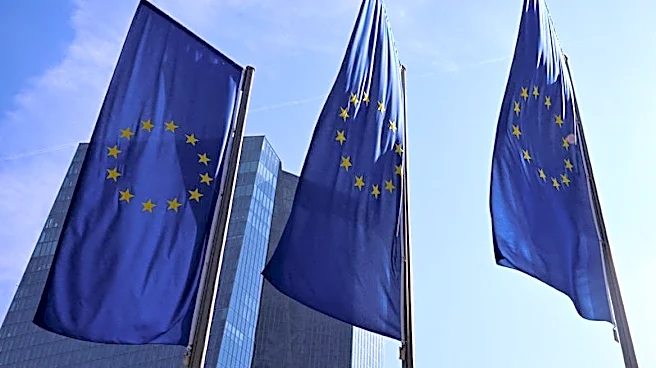
Europe's technological independence but warns against the Commission's involvement in steering strategic projects eligible for state aid. Fouquet argues that such initiatives should be industry-led rather than directed from Brussels, as excessive direction could slow projects and add unnecessary bureaucracy. The Commission's technology sovereignty package, introduced on June 3, aims to reduce Europe's dependence on foreign suppliers in critical technologies, including semiconductors and AI systems. It includes legislative proposals like the Chips Act 2.0 and the Cloud and AI Development Act. The package reflects Europe's concern over its reliance on non-European providers, especially amid global competition affecting supply chains and data governance.
Why It's Important?
The debate over the EU's technology sovereignty agenda is significant as it highlights the tension between regulatory oversight and industry autonomy. ASML's position underscores the challenges of balancing public direction with private sector execution in strategic technology projects. The outcome of this debate could impact Europe's ability to compete with the U.S. and China, both of which have strong state support in key sectors. If the EU's approach is perceived as overly bureaucratic, it may hinder the growth of European technology companies and their ability to scale and compete globally. Conversely, a successful strategy could enhance Europe's digital autonomy and reduce its reliance on foreign technology, which is crucial for economic and national security.
What's Next?
As the EU's technology sovereignty proposals move through the legislative process, the Commission will need to address industry concerns about bureaucratic overreach. Policymakers must find a balance between setting strategic goals and allowing industry flexibility to execute projects effectively. This involves reducing fragmentation among member states, using public procurement to create demand, and streamlining approval processes to avoid investment delays. The response from companies like ASML will be a critical test of the package's viability and its ability to garner support from the very industries it aims to strengthen. The ongoing debate will shape the future of Europe's technological landscape and its position in the global market.