




What's Happening?
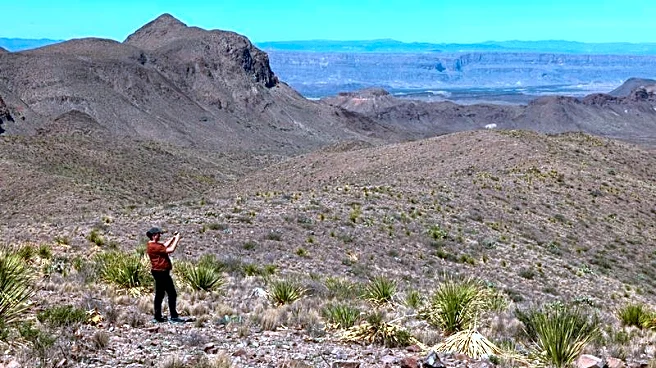
J. David Bamberger, a Texas man who made his fortune selling vacuums, purchased 3,000 acres of severely degraded land in Blanco County, Texas, in 1969, eventually expanding it to 5,500 acres. His goal was to restore the overgrazed and neglected property
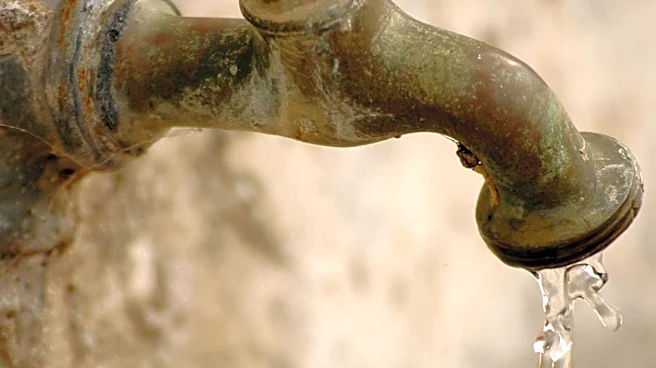
to ecological health. Over 40 years, Bamberger and his team implemented extensive restoration efforts, including selectively removing Ashe juniper, replanting native grasses, and introducing water-management measures like terraces to improve rainfall retention. These efforts led to the return of long-dormant springs, providing a consistent water source for the ranch and contributing to the headwaters of Miller Creek. The ecological improvements resulted in a dramatic increase in biodiversity, with bird species documented on the preserve rising from fewer than 50 to 221. The ranch also became a habitat for endangered species like the golden-cheeked warbler and the black-capped vireo, and played a role in the conservation of the scimitar-horned oryx. In 1998, Bamberger even constructed a large artificial cave, known as the Chiroptorium, which now houses hundreds of thousands of Mexican free-tailed bats.
Why It's Important?
This extensive land restoration project in Texas holds significant importance for U.S. environmental conservation and land management practices. Bamberger's success demonstrates that severely degraded land can be revitalized, offering a tangible model for other landowners and conservationists. The project's focus on restoring native ecosystems, improving water retention, and increasing biodiversity provides valuable insights into sustainable land stewardship. The return of endangered species and the establishment of a thriving bat colony highlight the profound positive impact of dedicated restoration efforts. Furthermore, the Bamberger Ranch Preserve has evolved into an educational and research center, offering workshops and programs that teach conservation-oriented management. This educational outreach is crucial for disseminating effective restoration techniques and fostering a broader understanding of ecological responsibility among private landowners across the U.S., potentially influencing regional and national conservation strategies.
What's Next?
The Bamberger Ranch Preserve, now a nonprofit organization established in 2002, will continue its mission of conservation, education, and research. It is expected to host more workshops and educational programs, serving as a living classroom for landowners, students, and researchers interested in ecological restoration. The preserve's ongoing research partnerships will likely contribute to a deeper understanding of habitat recovery and sustainable land management practices, with findings potentially influencing broader conservation policies. The success of this project may inspire similar large-scale private restoration initiatives across the U.S., particularly in regions facing ecological degradation due to overgrazing or other unsustainable practices. The long-term monitoring of the restored ecosystems will provide valuable data on the resilience and recovery potential of natural landscapes, further solidifying the preserve's role as a leader in environmental stewardship.
Beyond the Headlines
Bamberger's story transcends a simple land restoration project; it embodies a profound commitment to environmental ethics and the long-term vision of ecological healing. His decision to invest his fortune in restoring 'the worst piece of land' rather than a pristine property challenges conventional notions of wealth and success. This initiative highlights the critical role that private individuals and organizations can play in addressing environmental challenges, often pioneering methods that government agencies might later adopt. The transformation of the ranch into a 'classroom' underscores the ethical imperative of sharing knowledge and empowering others to become stewards of the land. It also subtly critiques the short-term economic gains that often lead to ecological damage, advocating for patience and long-term investment in natural capital. The project's success in bringing back wildlife and water resources serves as a powerful testament to nature's capacity for recovery when given the opportunity and proper care.