





What's Happening?
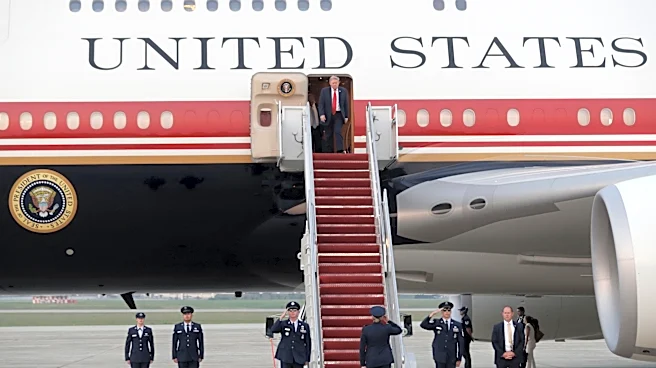
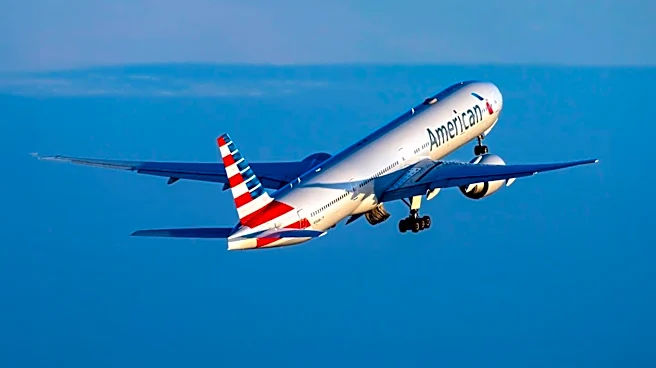
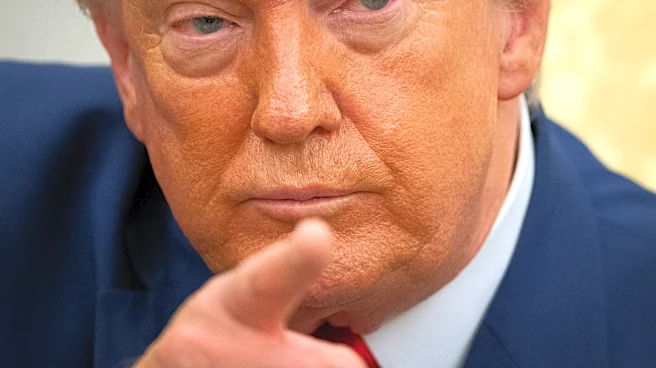
President Donald Trump has announced the resumption of direct flights from the United States to Lebanon, ending a 40-year hiatus. This decision follows a meeting with Lebanese President Joseph Aoun, where both leaders presented a united front despite
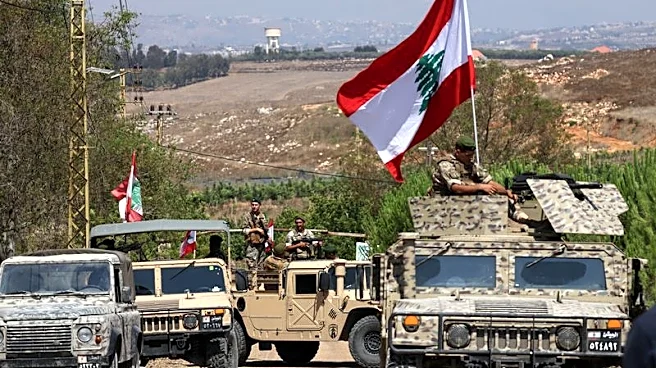
ongoing regional tensions involving Israel. The suspension of direct flights dates back to 1985, following the hijacking of TWA Flight 847, which resulted in the death of a U.S. Navy diver. The move to restore air links is seen as a significant gesture, indicating that the U.S. views Lebanon as stable enough to reconnect with its aviation network. However, the U.S. Department of State currently advises against travel to Lebanon, citing security concerns.
Why It's Important?
The resumption of direct flights between the U.S. and Lebanon carries symbolic and practical implications. It signals a potential shift in U.S. foreign policy, suggesting increased confidence in Lebanon's stability and governance under President Aoun. This development could enhance bilateral relations and boost Lebanon's tourism and economy by facilitating easier travel for the substantial Lebanese-American community. However, airlines must assess demand and navigate security and operational challenges before initiating services. The decision also reflects broader geopolitical dynamics, as the U.S. balances its relationships in the Middle East, particularly with Israel and Iran.
What's Next?
While the authorization is a significant step, the actual commencement of flights depends on several factors. Airlines will need to evaluate passenger demand and address logistical issues, including security and insurance concerns. The U.S. State Department's travel advisory remains a critical factor, as it currently discourages travel to Lebanon. Additionally, the broader geopolitical situation, including Israeli military operations and regional tensions, will influence the feasibility and timing of direct flights. The Lebanese-American community's response and potential lobbying efforts could also impact the pace of implementation.
Beyond the Headlines
The decision to resume flights may have deeper implications for U.S.-Middle East relations. It could be seen as a strategic move to strengthen ties with Lebanon amidst regional instability. The announcement also highlights the complexities of U.S. foreign policy, where symbolic gestures must be balanced with practical security considerations. The potential economic benefits for Lebanon, through increased tourism and diaspora engagement, could contribute to its recovery and stability. However, the success of this initiative will largely depend on the resolution of ongoing regional conflicts and the ability of U.S. carriers to operate safely and profitably.