




What's Happening?
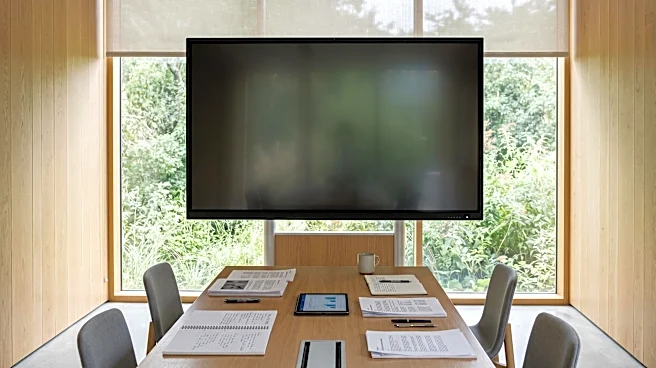
Electric Picture Display Systems (EPDS), a technology company based in Melbourne, has donated a 98-inch commercial-grade monitor, valued at over $5,000, to the Brevard Zoo. The display was installed earlier this summer and is intended to support the zoo's
ongoing research, education, and conservation initiatives. EPDS specializes in visual display technology, providing systems for various applications including commercial facilities, simulation environments, and control rooms. Tommy Miller, operations manager of EPDS, expressed the company's pride in contributing technology to further the zoo's mission. The Brevard Zoo, an independent nonprofit, focuses on connecting people with nature through wildlife experiences, education, and conservation, including efforts to restore the Indian River Lagoon and protect Florida's native wildlife. The donated monitor will be utilized in the zoo's conference room for meetings with research partners and for training sessions involving volunteers engaged in restoration projects.
Why It's Important?
This donation is significant as it directly enhances the operational capabilities of the Brevard Zoo, a key institution in Florida's conservation efforts. The advanced display technology will facilitate more effective collaboration among the zoo's research partners and improve the training of volunteers. This improved infrastructure can lead to more efficient and impactful conservation projects, particularly those focused on Florida's natural resources like the Indian River Lagoon. By supporting the zoo's mission, EPDS is contributing to the preservation of local ecosystems and wildlife, which has broader implications for environmental health and biodiversity in the region. The ability to communicate and collaborate more effectively can accelerate scientific understanding and the implementation of protective measures, benefiting both the environment and the community that relies on these natural resources.
What's Next?
The Brevard Zoo plans to integrate the new 98-inch monitor into its daily operations, using it for various activities such as coordinating research with partners and conducting volunteer training for restoration work. Ashley Rearden, director of conservation at Brevard Zoo, emphasized that the equipment will be used daily, indicating an immediate and continuous impact on their workflow. The enhanced visual capabilities are expected to streamline communication and improve the effectiveness of training programs, potentially leading to more successful conservation outcomes. This donation could also serve as a model for other technology companies to support local conservation efforts, fostering a trend of corporate social responsibility in environmental protection.
Beyond the Headlines
Beyond the immediate utility of the monitor, this donation highlights the growing intersection between technology and environmental conservation. Advanced display systems can play a crucial role in data visualization, remote collaboration, and educational outreach, making complex scientific information more accessible and engaging. This partnership between a technology company and a conservation organization underscores a broader trend where private sector innovation is leveraged to address public good challenges. It also subtly reinforces the idea that environmental stewardship is a collective responsibility, requiring contributions from diverse sectors. The improved training and collaboration facilitated by such technology can empower a larger volunteer base, fostering community engagement and a deeper understanding of ecological issues among the public.