







What's Happening?
President Trump has opted to extend a two-week ceasefire with Iran, initially set to expire, without specifying a new end date. This decision comes as negotiations between the U.S. and Iran face significant hurdles, with Iran's leadership reportedly divided
on key issues. The U.S. had sent Iran a list of deal points, but received no response, complicating planned talks in Pakistan. Trump remains committed to a diplomatic solution, despite the challenges, and has resisted lifting the blockade on Iranian ports. The situation underscores the complexities of reaching a consensus in international diplomacy.
Why It's Important?
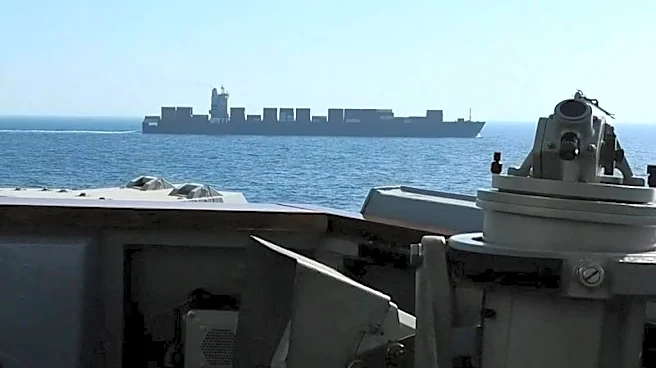
The extension of the ceasefire is significant as it highlights the ongoing diplomatic efforts to resolve tensions between the U.S. and Iran. The situation has implications for regional stability and global economic interests, particularly concerning oil transit through the Strait of Hormuz. The outcome of these negotiations could impact U.S. foreign policy and its approach to nuclear non-proliferation. The decision to extend the ceasefire also reflects the challenges of achieving a consensus in international diplomacy, especially with complex geopolitical dynamics at play.
What's Next?
The next steps involve continued diplomatic engagement between the U.S. and Iran, with potential involvement from international mediators. The U.S. administration may face pressure to demonstrate progress in negotiations, while balancing military readiness. The situation requires careful monitoring of Iran's response and any shifts in regional alliances. The outcome of these talks could influence future U.S. foreign policy decisions and its approach to international conflicts.