

What's Happening?
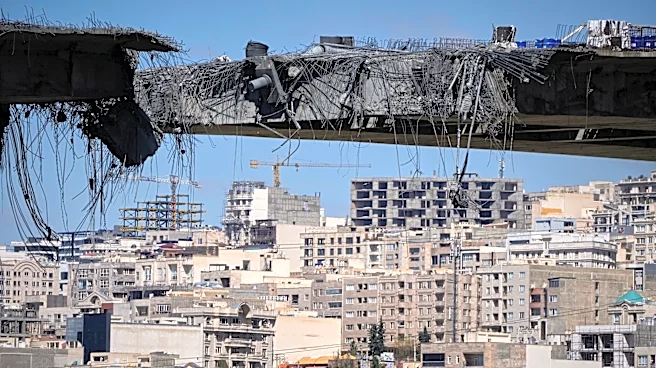
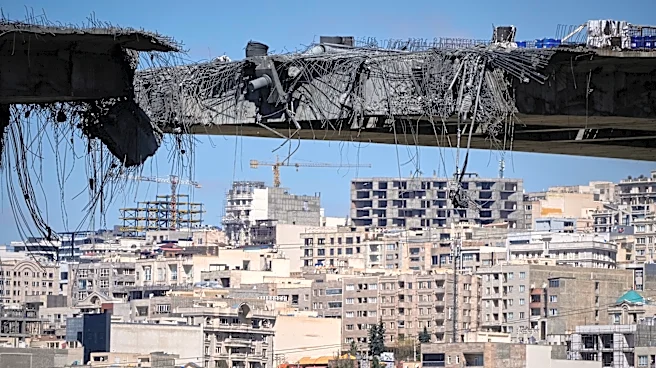
China is actively engaging in diplomatic efforts to address the ongoing war in Iran, proposing a five-point plan in collaboration with Pakistan. This initiative is part of China's broader strategy to assert itself as a global leader in peace efforts.
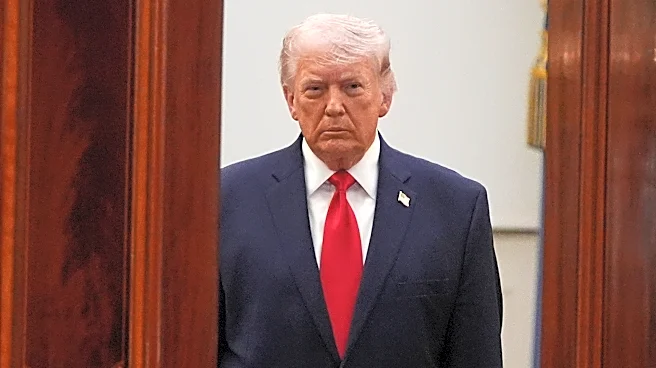
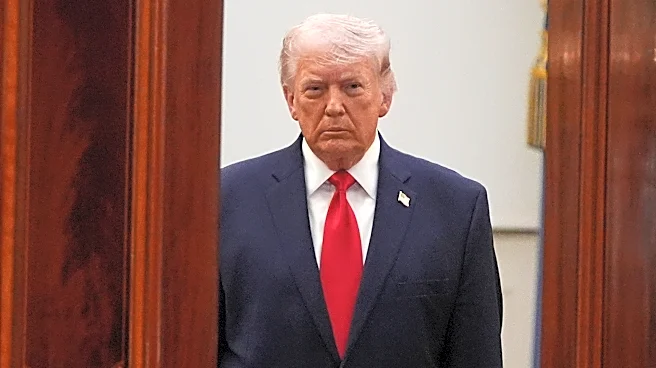
Chinese Foreign Minister Wang Yi has been in communication with various international counterparts, including those from Russia, Oman, Iran, France, Israel, Saudi Arabia, and the United Arab Emirates, to promote peace and de-escalate tensions. Despite these efforts, the U.S. remains largely uninterested in China's mediation, viewing it as more rhetorical than substantive. The Trump administration has shown little enthusiasm for China's involvement, with U.S. officials describing their stance as 'agnostic' and noting that President Trump has yet to weigh in on the matter.
Why It's Important?
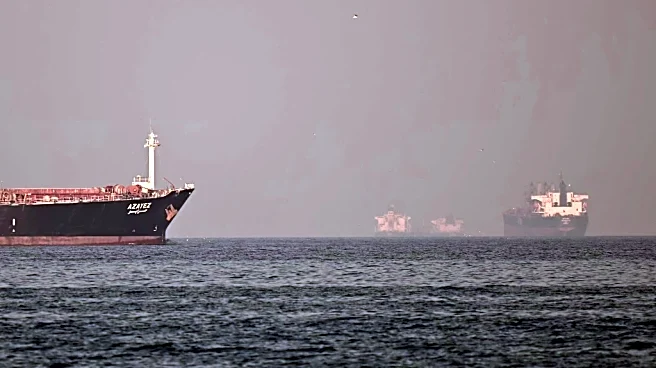
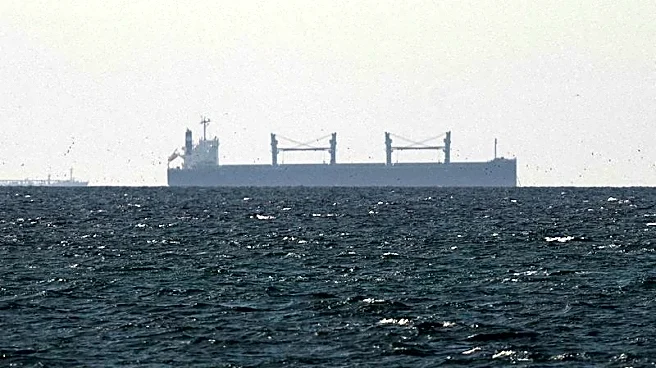
China's diplomatic maneuvers highlight its ambition to play a more significant role in global affairs, particularly in regions where the U.S. has traditionally held influence. This situation underscores the shifting dynamics of international power, with China positioning itself as a peace broker in contrast to the U.S.'s military-focused approach. The outcome of China's efforts could impact global energy markets, given the strategic importance of the Strait of Hormuz, a critical chokepoint for oil transportation. A prolonged conflict could disrupt global oil supplies, affecting economies worldwide, including China's export-driven economy. The U.S.'s disinterest in China's proposal may also reflect broader geopolitical tensions and competition between the two nations.
What's Next?
The future of China's diplomatic initiative remains uncertain, as it depends on the responses from other international stakeholders and the evolving situation in Iran. The U.S. may reassess its position if President Trump decides to engage more directly with the issue, especially with his upcoming summit with Chinese President Xi Jinping. Meanwhile, China will likely continue its diplomatic outreach, seeking to build international consensus and support for its peace plan. The potential for a U.N. vote on military action to open the Strait of Hormuz adds another layer of complexity, with China and Russia opposing such measures. The international community will be watching closely to see if China's efforts can lead to a de-escalation of the conflict.
Beyond the Headlines
China's involvement in the Iran conflict could have long-term implications for its global image and influence. By positioning itself as a champion of peace, China aims to contrast its approach with that of the U.S., potentially gaining favor with countries wary of American military interventions. This strategy could enhance China's soft power and diplomatic clout, particularly in the Middle East. However, the effectiveness of China's plan is yet to be seen, as it faces skepticism from some quarters about its ability to deliver tangible results. The situation also raises questions about the role of international law and multilateral institutions in resolving conflicts, as China's proposal emphasizes respect for these frameworks.