





What's Happening?
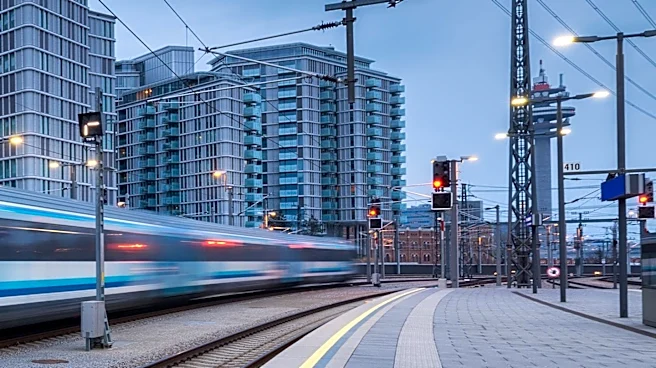
During the recent FIFA World Cup events in Atlanta, the Metropolitan Atlanta Rapid Transit Authority (MARTA) demonstrated its capability to handle large crowds efficiently. The transit system ran trains as frequently as every five minutes and deployed
rapid shuttle buses to manage the influx of soccer fans attending matches and the FIFA Fan Festival. This performance was praised by visitors, with some comparing MARTA favorably to the London Underground. Despite challenges such as incomplete fare gate systems and previous negative perceptions due to crime and dysfunction, MARTA managed to facilitate over 4.6 million rail trips during the World Cup, with 1.7 million attributed directly to the event. However, post-World Cup, there are concerns that MARTA may revert to its previous state of underperformance, as evidenced by recent observations of non-functioning tap-and-pay terminals and inconsistent train schedules.
Why It's Important?
MARTA's performance during the World Cup underscores the potential for public transit to significantly enhance urban mobility and reduce reliance on personal vehicles, especially during major events. The success during the World Cup could serve as a catalyst for long-term improvements in Atlanta's transit infrastructure. For local residents, a reliable and efficient transit system could mean better access to jobs, reduced traffic congestion, and lower transportation costs. For the city, maintaining and improving MARTA's services could enhance its reputation as a world-class city capable of hosting international events, potentially attracting more tourism and investment. However, sustaining this momentum requires addressing ongoing issues such as staffing, maintenance, and security to ensure consistent service quality.
What's Next?
MARTA faces the challenge of maintaining the high standards set during the World Cup. Interim CEO Jonathan Hunt, who has been at the helm during both challenging and successful times, may play a crucial role in steering the agency towards permanent improvements. The focus will likely be on completing the fare gate installations, enhancing security, and ensuring reliable service schedules. Additionally, MARTA will need to engage with local communities to encourage continued use of public transit, leveraging the positive experiences of World Cup visitors. The agency's ability to capitalize on this opportunity could influence future funding and policy decisions related to public transportation in Atlanta.