
What's Happening?
The United States Department of Agriculture (USDA) has declared a drought-related natural disaster in 12 Minnesota counties. This designation allows the USDA Farm Service Agency (FSA) to provide emergency
loans to farmers affected by severe drought conditions. Four counties—Cook, Hennepin, Lake, and Ramsey—are identified as primary eligible counties. Additionally, eight contiguous counties—Anoka, Carver, Dakota, St. Louis, Scott, Sherburne, Washington, and Wright—are also included in the designation. The emergency loans are intended to help producers recover from natural disasters by covering needs such as replacing essential equipment or livestock, reorganizing farming operations, or refinancing certain debts. The FSA will assess loan applications based on the extent of losses, available security, and the applicant's ability to repay.
Why It's Important?
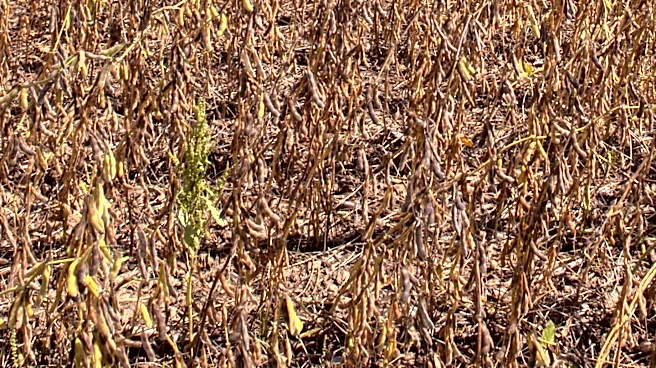
This emergency designation is crucial for the agricultural sector in the affected Minnesota counties, providing a vital financial lifeline to farmers grappling with the economic fallout of severe drought. Drought conditions can lead to significant crop losses, reduced livestock productivity, and increased operational costs, threatening the livelihoods of farming communities. The availability of emergency loans helps mitigate these financial pressures, preventing potential farm closures and ensuring the continuity of agricultural production. By supporting farmers in their recovery efforts, the USDA helps stabilize local economies that are heavily reliant on agriculture and safeguards the nation's food supply chain. This intervention underscores the government's role in responding to climate-related challenges impacting the agricultural industry.
What's Next?
Farmers in the designated Minnesota counties can now apply for emergency loans through the USDA Farm Service Agency. The FSA will review applications, considering the severity of losses and the financial viability of each farming operation. The Minnesota Department of Agriculture has issued a message encouraging affected farmers to utilize these resources. Further details and links to assist farmers in the claims process are available through the USDA's official announcements. The long-term impact will depend on the effectiveness of these loans in facilitating recovery and the future weather patterns in the region, which could influence subsequent growing seasons and the need for continued support.
Beyond the Headlines
The recurring need for emergency drought designations highlights the increasing vulnerability of U.S. agriculture to climate change and extreme weather events. This situation prompts broader discussions about sustainable farming practices, water conservation strategies, and the development of more resilient agricultural systems. It also brings to light the economic interdependence between rural communities and federal support programs. The ethical implications involve ensuring equitable access to aid for all affected farmers, regardless of farm size or type, and the long-term policy considerations for mitigating climate risks in agriculture. This event could also spur innovation in drought-resistant crops and farming technologies to better prepare for future environmental challenges.