
What's Happening?
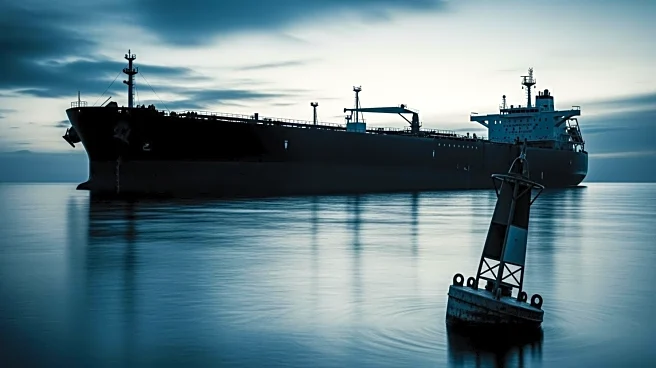
The U.S. has seized an oil tanker, the Skipper, off the coast of Venezuela, accusing it of manipulating location data to evade sanctions. Satellite imagery and tracking data suggest the tanker engaged
in deceptive practices to transport Venezuelan crude oil, which is subject to U.S. sanctions. The Skipper reportedly loaded oil at Venezuela's José Oil Terminal and engaged in ship-to-ship transfers to conceal its activities. The seizure is part of a broader U.S. effort to enforce sanctions against Venezuela and Iran, targeting vessels involved in illicit oil trade.
Why It's Important?
This seizure underscores the U.S. government's commitment to enforcing sanctions against Venezuela and Iran, aiming to curb illegal oil exports that fund these regimes. The operation highlights the challenges of monitoring and intercepting vessels that use sophisticated methods to disguise their movements. The U.S. action sends a strong message to other entities involved in similar activities, potentially deterring future violations. It also reflects the geopolitical tensions surrounding Venezuela's oil industry and the broader implications for global energy markets.
What's Next?
The U.S. is expected to continue its crackdown on vessels violating sanctions, with further seizures likely in the coming weeks. This could lead to increased scrutiny of maritime activities in the region and heightened tensions between the U.S. and countries involved in the illicit oil trade. The Venezuelan government may respond with diplomatic protests, while international stakeholders monitor the situation closely. The U.S. may also face legal challenges regarding the seizure's legitimacy under international law.
Beyond the Headlines
The seizure raises questions about the effectiveness of sanctions as a tool for achieving foreign policy objectives. It also highlights the ethical considerations of using military force to enforce economic measures. The incident may prompt discussions about the need for international cooperation in regulating maritime activities and preventing sanctions evasion. Additionally, the situation reflects the complex interplay between economic interests and geopolitical strategies in the global oil market.