





What's Happening?
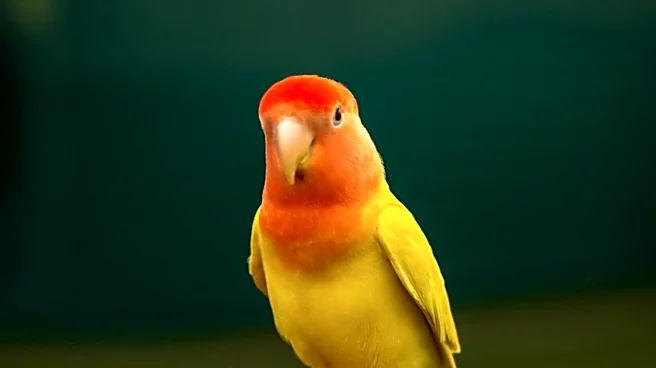
Voters in Lemon Grove, California, have approved Measure E, a ballot initiative that bans the retail sale of birds in pet stores. This measure expands California’s existing rescue-only pet shop model to include birds, meaning pet stores will now facilitate
adoptions through qualifying shelters and rescue organizations instead of selling birds from breeders. The legislation, which exempts birds intended for agricultural use or backyard flocks, will become effective upon official adoption, with enforcement commencing six months later. The city cites recurring bird welfare concerns, documented through resident complaints and animal control inspection records, as a primary reason for the ban. The San Diego Humane Society supported Measure E, with its president and CEO, Dr. Gary Weitzman, emphasizing the complex care needs of birds and the benefits of encouraging adoption to ensure lasting commitments from families. Lemon Grove joins other U.S. cities, including Washington, D.C., Cambridge, Massachusetts, and West Hollywood, California, in implementing similar restrictions on the retail sale of birds and other animals in pet stores.
Why It's Important?
This ban in Lemon Grove signifies a growing trend in animal welfare legislation across the United States, aiming to combat issues associated with commercial breeding and retail sales of pets. By shifting pet stores from sales to adoption facilitation, the measure seeks to reduce bird abandonment and improve the overall treatment of companion birds. The legislation addresses concerns that birds sold in pet stores often originate from cruel breeding facilities or are captured in the wild under inhumane conditions. Furthermore, it highlights the challenges many owners face in meeting the complex needs of birds, which can lead to neglect, abuse, and self-harming behaviors in the animals. The support from organizations like the San Diego Humane Society underscores the belief that adoption programs can better educate prospective owners and provide necessary support, fostering more responsible pet ownership and improving animal welfare outcomes. This move could influence other municipalities to consider similar bans, further reshaping the pet retail industry towards a more adoption-centric model.
What's Next?
Following the official adoption of Measure E, pet stores in Lemon Grove will have a six-month grace period to transition their operations from selling birds to facilitating adoptions. During this period, stores will need to establish partnerships with qualifying animal shelters and rescue organizations. This transition will likely involve operational adjustments, staff training on adoption processes, and changes in inventory management. Animal welfare advocates and organizations will likely monitor the implementation and effectiveness of the ban, potentially using Lemon Grove as a case study to encourage similar legislation in other communities. The success of this measure in reducing bird abandonment and improving welfare could provide further momentum for broader legislative changes at state and national levels regarding the commercial pet trade. Pet owners and potential adopters in Lemon Grove will see a shift towards a more structured adoption process for birds, emphasizing education and long-term commitment.
Beyond the Headlines
The Lemon Grove bird sales ban reflects a broader societal shift in how companion animals are viewed and regulated, moving away from a commodity-based model towards one that prioritizes animal welfare and responsible ownership. This legislative action implicitly challenges the ethics of commercial breeding operations, often criticized for their conditions and impact on animal health and behavior. The measure also highlights the often-overlooked plight of birds in the pet trade, which, despite their intelligence and complex needs, are frequently subjected to inadequate living conditions and lack of proper care. This development could spark increased public awareness and advocacy for avian welfare, potentially leading to more comprehensive regulations for bird breeding, sale, and care across the country. It also underscores the power of local initiatives and citizen-led efforts in driving significant policy changes in animal protection.